Summary:
- Common signs a boiler needs replacing: age past about 15 years, frequent repairs, rising fuel bills, uneven heat, and a yellow burner flame.
- Older boilers often run at 56%–70% efficiency; high-efficiency models reach 90%–98.5%.
- Most high-efficiency gas boilers are condensing boilers, which recover extra heat from exhaust gases.
- Moving from a 70% to a 95% efficient boiler cuts fuel use for the same heat by roughly a quarter.
- Replacing on your schedule, before a mid-winter failure, gives you time to size the system properly.
Signs Your Boiler Needs Replacing
The clearest signs your boiler needs replacing are age, repair frequency and rising operating costs. A boiler past about 15 years old that needs repeated service, struggles to heat every room or burns noticeably more fuel than it used to is usually costing you more to keep than to replace.
1. Your boiler is 15 years old or more
Efficiency drops and parts wear as a boiler ages. Even a well-maintained unit from the early 2000s was built to older efficiency levels than today’s equipment. Check the rating plate or installation paperwork for the date.
2. You're calling for repairs every season
One repair isn’t a reason to replace. A pattern is. If you’ve paid for multiple repairs in the last couple of years, or a technician says a major component like the heat exchanger is failing, it’s time to compare the numbers.
3. Fuel bills are climbing without a clear reason
If your usage keeps rising while your habits and the weather stay about the same, your boiler may be losing efficiency, short-cycling or struggling with scale buildup.
4. Some rooms never get warm
Cold rooms can come from air in the lines or a bad zone valve, but if repairs haven’t fixed uneven heat, the boiler may no longer keep up with your home’s demand.
5. The burner flame is yellow instead of blue
A healthy gas flame burns steady blue. A yellow or flickering flame can signal incomplete combustion, which can produce carbon monoxide. Have it checked right away, and make sure your CO alarms work.
6. Leaks, rust or frequent pressure problems
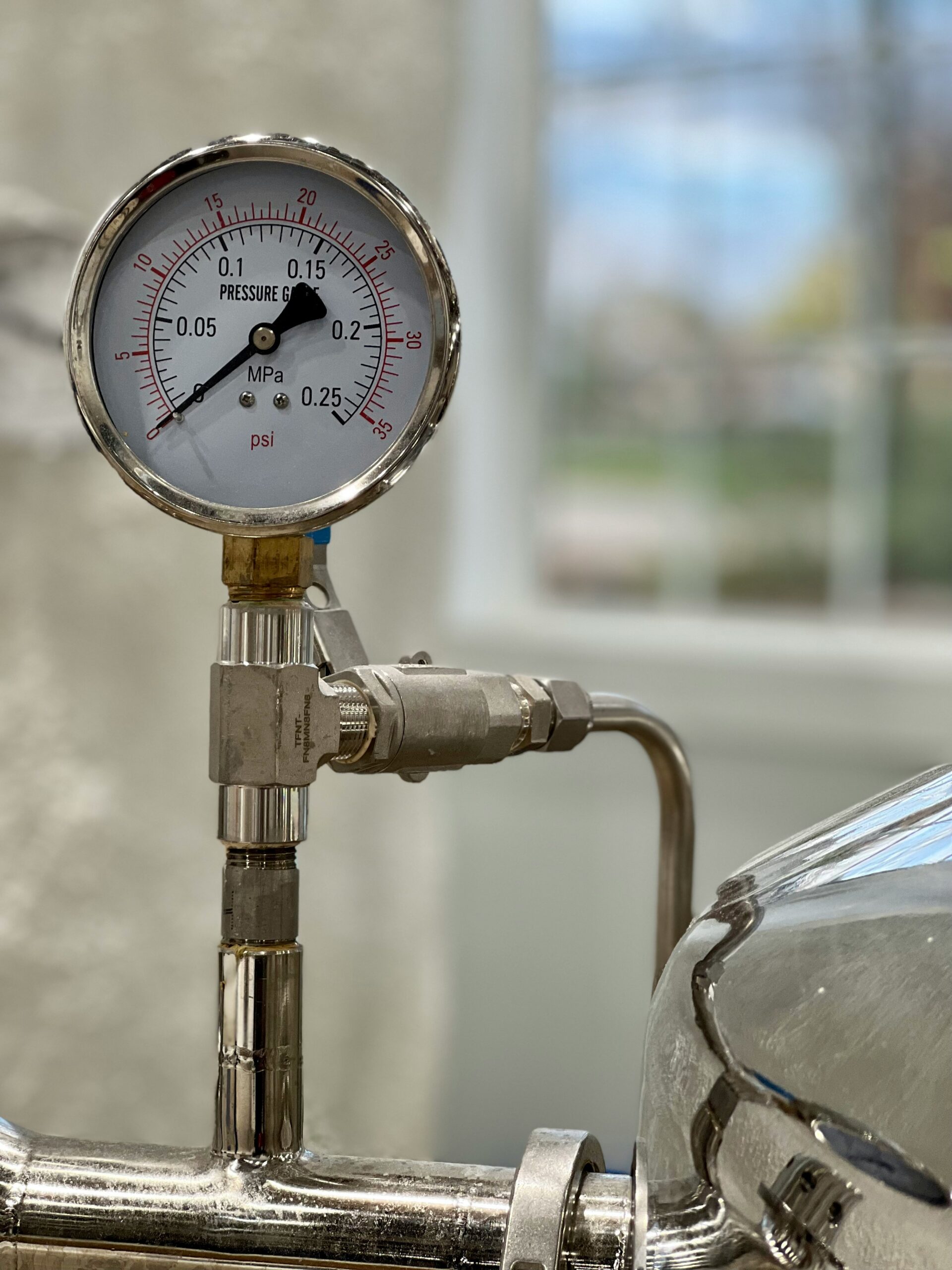
Water around the base, rust on the cabinet or a pressure gauge that won’t stay steady can point to a failing heat exchanger, which often costs nearly as much to fix as a new unit.
When to Replace a Boiler vs. Repair It
Repair makes sense when the boiler is relatively young and the problem is a single part such as a pump, valve or igniter. Replacement makes more sense when the boiler is older, repairs are becoming routine, or the heat exchanger is failing. Planning ahead lets you choose the right equipment instead of taking whatever is available during an emergency.
Picture a Canton homeowner whose 20-year-old cast-iron boiler needed two repairs last winter. Replacing it in the fall means a planned install day, time to compare options, and no risk of losing heat in January.
What Is a High Efficiency Boiler?
A high efficiency boiler converts at least about 90% of its fuel into usable heat. Efficiency is measured as AFUE (annual fuel utilization efficiency). The U.S. Department of Energy puts older, low-efficiency systems at 56%–70% AFUE and high-efficiency systems at 90%–98.5% AFUE.
To earn the ENERGY STAR label, gas boilers must reach at least 90% AFUE and oil boilers at least 87% AFUE.
How does a condensing boiler work?
A condensing boiler captures heat that older boilers send up the chimney. It cools exhaust gases enough that the water vapor in them condenses, releasing extra heat through a second heat exchanger. That’s how modern gas boilers reach efficiencies in the 90s. Condensing boilers typically vent through PVC pipe out a side wall and need a drain for the mildly acidic condensate they produce.
They condense most when the water returning from your radiators or baseboards is relatively cool. A properly sized boiler with outdoor reset control, which adjusts water temperature to the weather, helps it stay in that efficient range for more of the season.
How Much Can a High-Efficiency Boiler Save?
Savings depend on how efficient your current boiler is. Moving from a 70% AFUE boiler to a 95% model means you need about 26% less fuel to deliver the same amount of heat (70 ÷ 95 ≈ 0.74). The older and less efficient your current boiler, the bigger the difference.
| Current boiler AFUE | New boiler AFUE | Approximate fuel use for the same heat |
|---|---|---|
| 60% | 95% | About 37% less |
| 70% | 95% | About 26% less |
| 80% | 95% | About 16% less |
These are rated-efficiency comparisons. Real-world savings also depend on insulation, how the boiler is sized and set up, and your thermostat habits. Beyond fuel savings, a new boiler brings quieter operation, more even heat and modern controls.
Many high-efficiency boilers can also heat your domestic hot water through an indirect tank, which pairs well with a new installation.
Choosing the Right Replacement Boiler
The right replacement depends on your home’s heat loss, your existing radiators or baseboards, your fuel type and your hot water needs. A proper heat-loss calculation matters more than matching the old boiler’s size, since many older boilers were oversized from the start.
- Sizing: An oversized boiler short-cycles, wasting fuel and wearing parts faster.
- Fuel: Gas, oil and propane each have high-efficiency options.
- Hot water: Decide whether you want a combi boiler, an indirect tank or a separate water heater.
- Brands: We install Navien, Lochinvar, Burnham, Viessmann, Peerless, Dunkirk, Crown and Buderus boilers, and we’ll explain which fits your home.
Learn more about our boiler installation process.
Frequently Asked Questions
How long does a boiler last?
Many boilers start showing their age around 15 years. Lifespan varies with boiler type, water quality and maintenance, so annual service matters.
Is a condensing boiler worth it?
For most homes replacing an older gas boiler, yes. A condensing boiler’s high efficiency lowers fuel use for the same heat, and the savings continue every heating season.
Can a high efficiency boiler work with my old radiators?
Usually, yes. A condensing boiler works with cast-iron radiators and baseboard. Proper sizing and outdoor reset controls help it run efficiently with your existing system.
Do you install high-efficiency boilers in Canton?
Yes. Emma Plumbing and Drain Services installs high-efficiency boilers in Canton and nearby towns across Norfolk, Plymouth, Bristol and Middlesex counties.
Upgrade Your Heat With Emma Plumbing and Drain Services
If your boiler is showing these signs, now is the time to plan, not the night it stops working. Emma Plumbing and Drain Services has helped homeowners in Canton, Brockton and the surrounding area since 2007, under MA Master Plumber License #15828. We size every system properly, offer warranties and financing on boiler installations, and provide upfront pricing. Explore our boiler replacement services, call 857-398-8840, or request a free quote today.