
Hear from Our Customers
You’re tired of watching oil prices climb while your heating bills eat up more of your budget every winter. Converting from oil to natural gas typically cuts heating costs by 30-50% annually – money that stays in your pocket instead of going to oil companies.
No more scheduling deliveries or worrying about running out of fuel during a storm. Natural gas flows directly to your home through underground lines, giving you unlimited, on-demand heat whenever you need it.
Your home value increases too. Buyers in Bridgewater actively seek homes with natural gas heating because they understand the long-term savings and convenience. You’re not just upgrading your heating system – you’re making a smart investment in your property.
We’ve been serving Bridgewater homeowners since 2007, specializing in the technical work that most contractors avoid. Oil to gas conversions require precise gas line installation, proper permits, and coordination with utility companies – exactly the kind of detailed work we’ve been doing for over 17 years.
We know Bridgewater’s older homes and the unique challenges they present. Many houses in town were built before natural gas infrastructure existed, so we’ve developed efficient methods for running new gas lines without tearing up your entire house.
You get upfront pricing before we start, one-year labor warranties on all work, and 24/7 emergency service if anything needs attention after the conversion is complete.

First, we inspect your current setup and measure for the new gas line route. We handle all permits and coordinate with National Grid to ensure your gas service is ready when we need it.
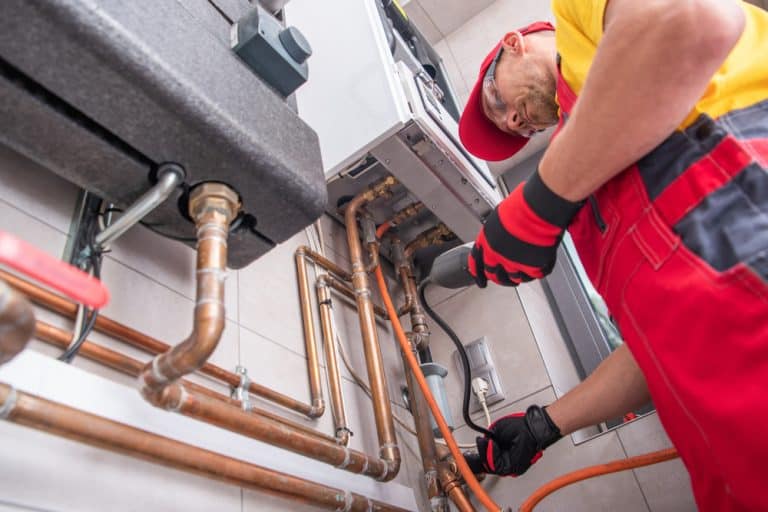
Next, we install the new gas line from the street connection to your home, then run interior lines to your heating equipment location. All gas line installation meets Massachusetts code requirements and passes inspection the first time.
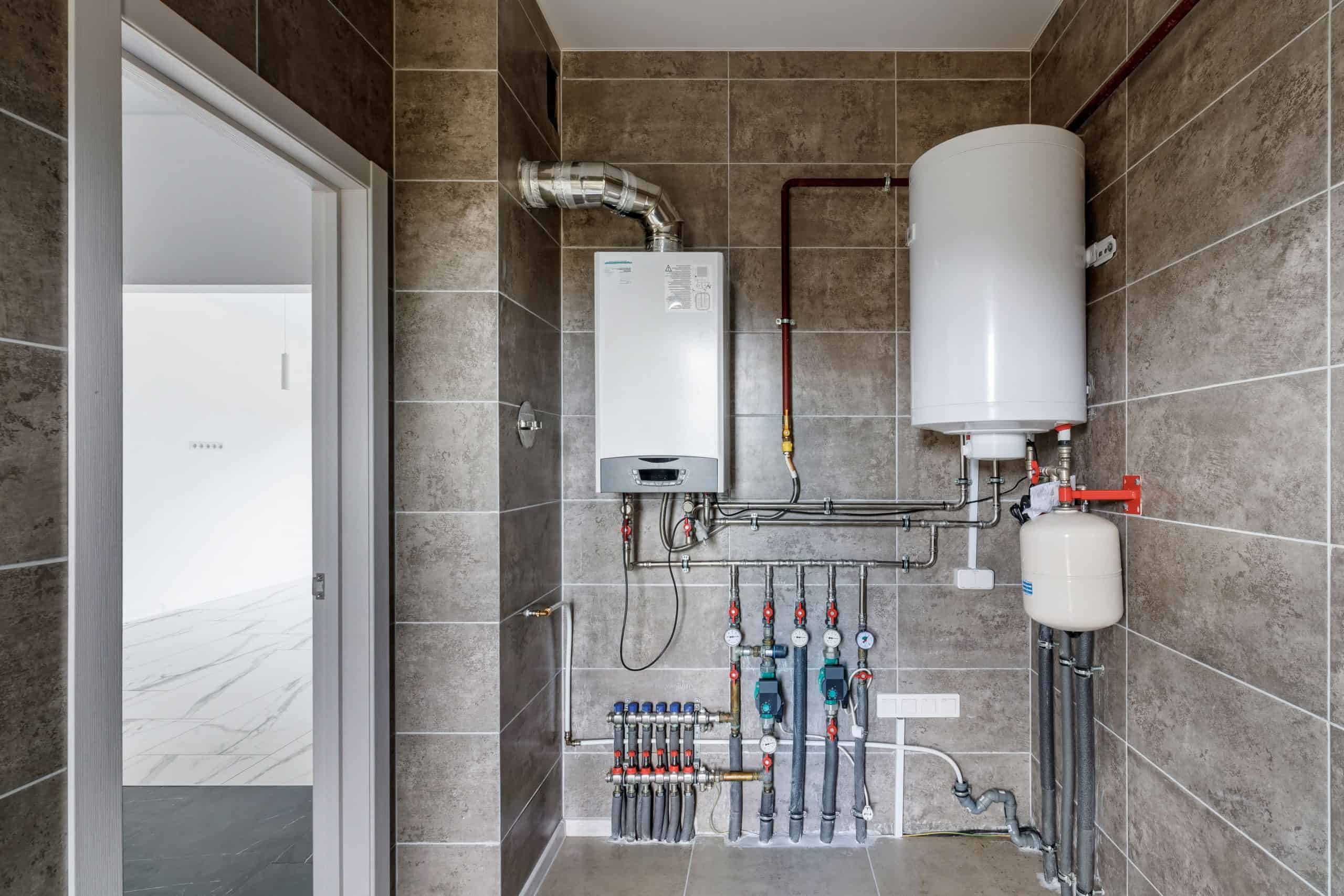
Finally, we connect your new gas heating equipment, test all connections for leaks, and remove your old oil tank if needed. We handle the utility company coordination so your gas service is active and ready to use immediately after installation.
Ready to get started?
Your conversion includes gas line installation from the street to your home, interior piping to heating equipment, all required permits and inspections, and coordination with National Grid for service activation. We also handle old oil tank removal if you choose that option.
Bridgewater homes built before 1980 often need additional electrical work for new gas equipment, which we coordinate with licensed electricians. Many homeowners also qualify for National Grid rebates on high-efficiency gas equipment – we help you navigate the paperwork to maximize your savings.
The entire process typically takes 2-3 days for most homes, and we schedule around your availability to minimize disruption. You’ll have reliable heat throughout the conversion process.

Total conversion costs typically range from $3,500 to $8,000 depending on the distance from the street gas line to your home and the complexity of interior piping. Homes closer to existing gas mains cost less, while properties requiring longer gas line runs cost more.
Most Bridgewater homeowners recover their investment within 3-5 years through lower heating bills. Natural gas costs about half as much as oil for the same amount of heat, so a typical home saves $800-1,500 annually on heating costs.
We provide upfront pricing after measuring your specific situation, so you know exactly what the project costs before we start any work.
Most residential gas line installations in Bridgewater take 2-3 days from start to finish. Day one involves running the main gas line from the street to your house, which requires coordinating with National Grid and often involves some excavation.
Day two focuses on interior gas piping to your heating equipment location and connecting the new gas appliances. Day three handles final inspections, testing, and cleanup.
Weather can affect outdoor work, and homes requiring longer gas line runs may take an additional day. We schedule everything in advance and keep you updated on progress throughout the project.
Yes, gas line installation requires permits from the Town of Bridgewater, and all work must pass inspection before your gas service can be activated. We handle all permit applications and schedule inspections as part of our service.
Massachusetts requires licensed plumbers to install gas lines, and all connections must be pressure-tested and inspected for safety. We’re fully licensed and insured for gas line work in Bridgewater.
The permit process typically takes 1-2 weeks, so we start paperwork early to avoid delays. All permit costs are included in your project quote.
You have several options for your old oil tank. Many homeowners choose to have it removed completely, which eliminates any future leak concerns and frees up basement space. Tank removal typically adds $800-1,500 to your project cost.
Alternatively, you can have the tank properly decommissioned by filling it with sand or foam. This is less expensive but leaves the tank in place. Some homeowners keep their oil system as backup heat, though this requires ongoing maintenance.
We coordinate with licensed tank removal specialists if you choose removal, and all work meets Massachusetts environmental regulations for oil tank disposal.
Yes, homes with natural gas heating typically sell for 5-10% more than comparable homes with oil heat in the Bridgewater area. Buyers actively seek natural gas because they understand the ongoing cost savings and convenience.
Real estate agents consistently report that gas heating is a selling point, especially for younger buyers who want predictable utility costs. Your home also becomes more marketable since it appeals to a broader range of buyers.
The conversion investment usually pays for itself through energy savings within 3-5 years, and the increased home value provides additional return on investment when you sell.
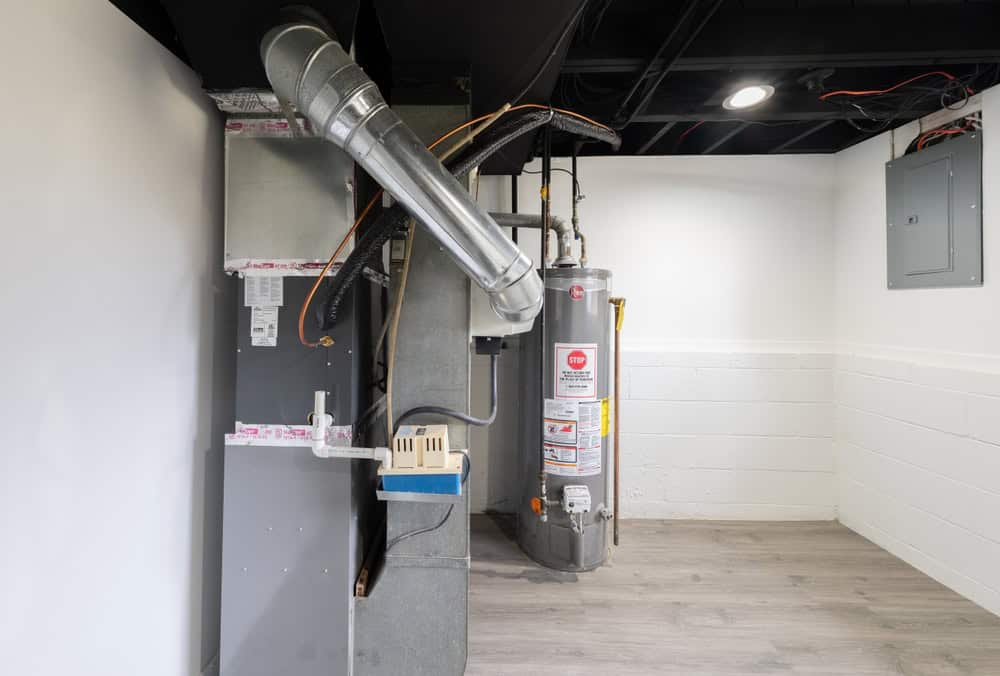
Absolutely. Converting both your heating system and hot water heater to natural gas maximizes your savings and eliminates oil completely from your home. Gas hot water heaters heat faster, recover quicker, and cost less to operate than oil-fired units.
We can run gas lines to both your heating equipment and hot water heater location during the same project, which is more efficient than doing separate installations later. Most homeowners save an additional $200-400 annually by converting their hot water to gas.
Gas hot water heaters also last longer than oil units and require less maintenance. We install high-efficiency models that qualify for utility rebates to reduce your upfront costs.