Summary:
What Causes Drains to Clog in the First Place
Drains don’t clog overnight. They fail gradually as debris sticks to pipe walls and builds up over weeks, months, or years. What starts as a minor slowdown becomes a complete blockage when enough material accumulates to meet in the center of the pipe.
In your kitchen, grease and food particles are the main culprits. That grease you rinse down the drain with hot water? It cools and hardens inside your pipes, trapping everything else that follows. In bathrooms, hair combines with soap scum to create stubborn masses that cling to pipe walls and catch more debris over time.
Then there are the things you can’t control. Mineral deposits from hard water slowly narrow your pipes. Tree roots seek out moisture and infiltrate sewer lines through tiny cracks. Older homes in Norfolk County often have clay or cast iron pipes that deteriorate with age, creating rough surfaces where debris catches more easily.
How to Know When Your Drain Needs Professional Cleaning
You don’t need to be a plumber to recognize when a drain is telling you it needs help. Slow drainage is usually the first sign, and it’s easy to ignore until water starts pooling in your sink or shower. If you notice water taking longer than usual to disappear, that’s your drain warning you that a clog is forming.
Gurgling sounds are another red flag. When you hear air bubbling up through your drains, it means water is struggling to push past a blockage. The trapped air has nowhere to go but back up through the drain, creating those unsettling noises.
Foul odors mean organic material is decomposing inside your pipes. Food waste, grease, hair, and other debris create the perfect environment for bacteria that produce unpleasant smells. If your drain smells like a sewer, there’s buildup that needs to be removed.
Water backing up into other fixtures is a serious warning sign. When you flush the toilet and water comes up through the shower drain, or when running the washing machine causes your sink to overflow, you’re likely dealing with a main sewer line blockage. This isn’t something that will resolve itself.
Frequent clogs tell you that DIY methods aren’t addressing the real problem. If you’re reaching for the plunger or drain cleaner every few weeks, there’s significant buildup in your pipes that needs professional attention. You’re treating the symptom, not the cause.
Multiple slow drains throughout your home suggest the problem is deep in your plumbing system, possibly in the main sewer line. When several fixtures are affected at once, it’s beyond what a plunger can fix. The blockage is likely far from any individual drain opening, requiring professional equipment to reach and clear.
Why DIY Drain Cleaning Usually Doesn't Work Long-Term
Chemical drain cleaners promise fast results, but they come with serious drawbacks. These products use caustic chemicals to burn through clogs, which sounds effective until you realize they’re also burning through your pipes. Regular use of chemical cleaners can corrode metal fittings, damage plastic pipes, and weaken older plumbing systems. Even when they do clear a clog, they only create a small channel through the blockage rather than removing it entirely.
Plungers work well for simple clogs near the drain opening, but they can’t reach blockages deep in your system. You might get temporary relief, but if the underlying buildup remains, you’ll be plunging again within days or weeks. The same applies to drain snakes you buy at hardware stores. These tools typically extend only a few feet and lack the power to handle serious obstructions.
The bigger issue is that DIY methods don’t show you what’s actually happening inside your pipes. You’re working blind, guessing at the location and cause of the problem. A clog might be caused by tree roots, collapsed pipe sections, or severe mineral buildup. Without seeing inside the pipe, you can’t know if your efforts are helping or if you’re making the problem worse.
Professional plumbers use camera inspections to diagnose issues before attempting any cleaning. This technology reveals exactly where the blockage is, what’s causing it, and whether your pipes can handle high-pressure cleaning methods. It’s the difference between guessing and knowing.
There’s also the time factor. How many hours have you spent trying to clear a stubborn drain? How much money have you invested in chemical cleaners and tools that didn’t solve the problem? At some point, the cost of repeated DIY attempts exceeds the cost of calling a professional who can fix it right the first time.
Professional Drain Cleaning Methods That Actually Work
Professional plumbers have two primary methods for clearing drains: snaking and hydro jetting. Each serves a specific purpose, and understanding the difference helps you know what to expect when you call for service.
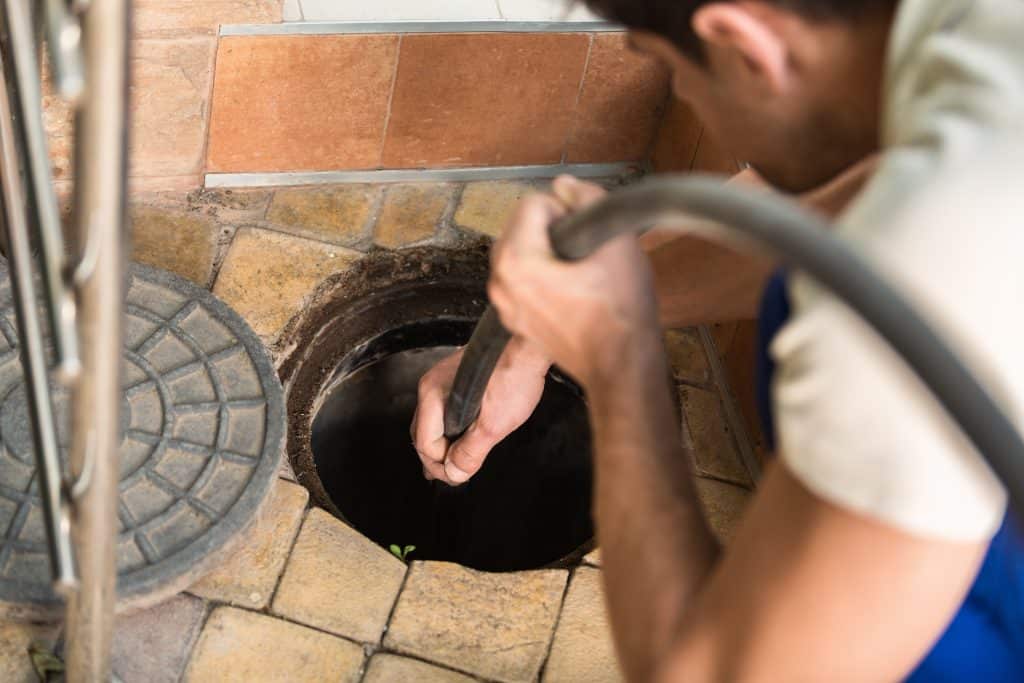
Snaking, also called augering, uses a flexible metal cable with a cutting head to break through clogs or pull them out. The cable feeds into your drain and rotates to drill through blockages. This method works well for simple clogs caused by hair, food, or other soft materials, especially when the blockage is relatively close to the drain opening.
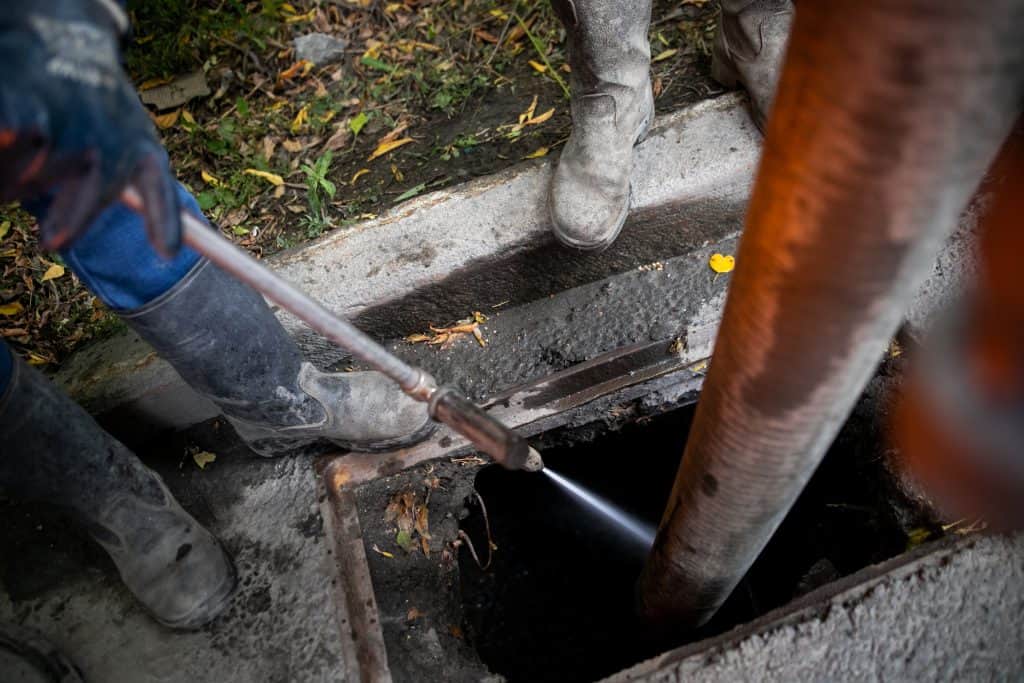
Hydro jetting takes a different approach. This method uses high-pressure water, sometimes reaching 4,000 PSI, to blast away everything inside your pipes. The water jet doesn’t just punch a hole through the clog. It scours the entire interior of the pipe, removing grease, mineral deposits, tree roots, and years of accumulated debris.
When Snaking Makes Sense for Your Drain
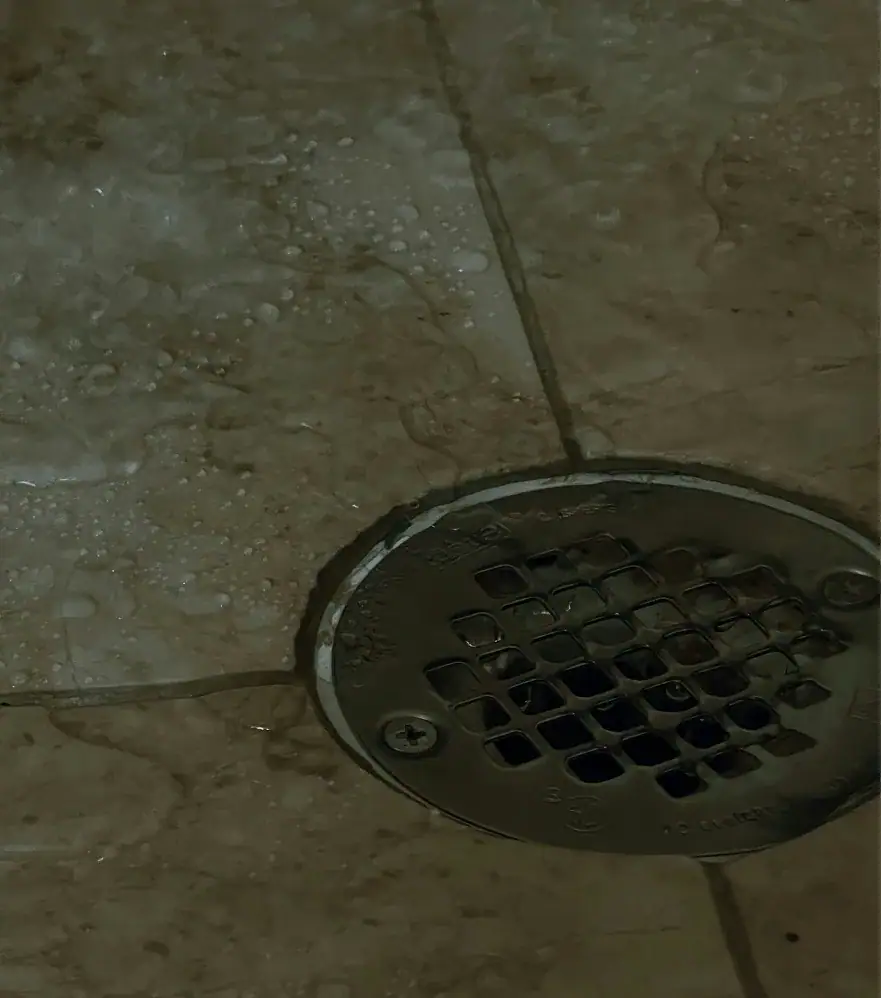
Snaking is the right choice when you’re dealing with a straightforward blockage in a single drain. If your bathroom sink is clogged with hair or your kitchen drain has a localized buildup of food debris, a snake can break through the obstruction quickly and affordably.
This method is also gentler on older pipes. Homes built before 1960 often have clay or early cast iron pipes that can’t handle high water pressure without cracking or separating at joints. If your plumbing system is aging or already showing signs of weakness, snaking provides effective cleaning without risking damage to fragile pipes.
For minor clogs that haven’t spread throughout your system, snaking offers a fast solution. The process typically takes less time than hydro jetting and costs less upfront. If you need immediate relief from a single clogged toilet or sink, and the problem hasn’t been recurring, snaking gets you back to normal quickly.
The limitation is that snaking only creates a pathway through the clog. It doesn’t remove the buildup coating your pipe walls. Think of it like drilling a hole through a snowbank rather than clearing the entire road. Water can flow again, but the conditions that caused the clog remain. That’s why snaking often provides temporary relief rather than a permanent solution.
If you find yourself calling for the same drain to be snaked every few months, the method isn’t addressing the root cause. You’re spending money repeatedly on a service that isn’t preventing the problem from coming back. That’s when you need to consider a more thorough cleaning approach.
Why Hydro Jetting Delivers Long-Lasting Results
Hydro jetting doesn’t just clear your current clog. It restores your pipes to near-original condition by removing everything that’s accumulated on the walls over years of use. The high-pressure water stream scours away grease, soap scum, mineral deposits, and even tree roots that have infiltrated your sewer line.
This method is environmentally friendly because it uses only water, no harsh chemicals. You don’t have to worry about toxic substances damaging your pipes or contaminating your property. The cleaning is thorough without being harmful to your plumbing system or the environment.
For recurring clogs, hydro jetting provides a long-term solution. Instead of clearing the same drain every few months, you can go years without another blockage. The comprehensive cleaning removes the conditions that allow clogs to form, giving you lasting relief and fewer emergency calls.
Commercial properties and restaurants benefit especially from hydro jetting because these facilities deal with heavy grease buildup that snaking can’t effectively remove. The high-pressure water cuts through grease and flushes it completely out of the system. Property management companies often schedule regular hydro jetting as preventative maintenance to avoid tenant complaints and costly emergency repairs.
Before any hydro jetting begins, we inspect your pipes with a camera to ensure they can handle the water pressure. Older or damaged pipes might not be suitable candidates, which is why the inspection step is critical. The camera reveals the condition of your pipes and the exact location of blockages, allowing us to adjust pressure settings or recommend alternative methods if needed.
The process starts by inserting a specialized hose with a high-pressure nozzle into your drain or sewer cleanout. As water blasts through at thousands of pounds per square inch, it breaks apart obstructions and flushes everything downstream and out of your system. The nozzle is designed with jets that spray forward to break through clogs and backward to scour pipe walls while propelling the hose forward.
Getting Your Drains Cleaned the Right Way
Slow drains and recurring clogs aren’t problems you have to live with. Professional drain cleaning addresses the root cause, whether that’s years of grease buildup, tree root intrusion, or deteriorating pipes. The key is recognizing the warning signs early and calling for help before a minor inconvenience becomes a major emergency.
When you’re choosing a plumber, look for transparency in pricing, proper licensing and insurance, and access to modern equipment like camera inspections and hydro jetting. You want someone who will show you what’s wrong and explain your options without pressure or hidden fees.
If you’re dealing with drain issues in Plymouth, Norfolk, Bristol, or Middlesex Counties, we offer upfront pricing, 24/7 emergency availability, and free camera inspections for new customers. Our team understands the unique plumbing challenges in Norfolk County and has the equipment and experience to handle everything from simple clogs to complex sewer line problems.