Summary:
Why Older Brockton Homes Need Specialized Boiler Solutions
Brockton’s historic neighborhoods weren’t built with today’s heating standards in mind. Most homes constructed before 1980 rely on hydronic heating systems that circulate hot water through radiators or baseboard units. These systems have their advantages—they provide even, comfortable heat without the noise and dust of forced air systems.
But here’s the challenge: your existing radiators and piping were designed around specific water temperatures and flow rates. Simply dropping in any modern boiler won’t necessarily work with your home’s unique setup. The key is finding a system that can integrate seamlessly with what you already have while dramatically improving efficiency and reliability.
High-Efficiency Gas Boilers for Historic Homes
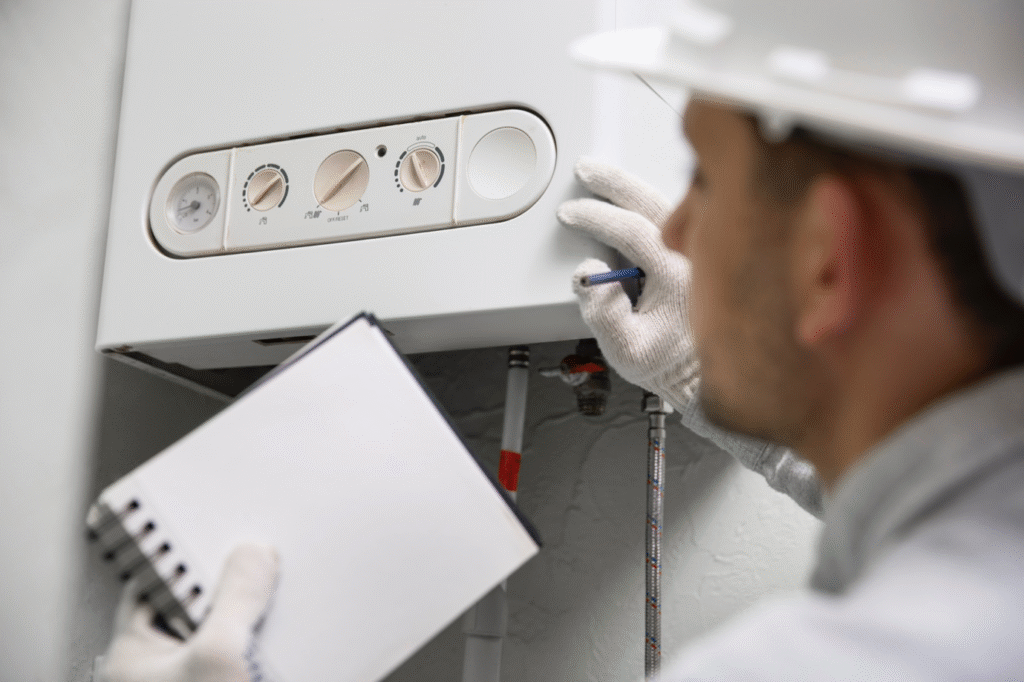
For most older Brockton homes, a high-efficiency gas boiler offers the best balance of performance, cost, and compatibility. Modern condensing boilers can achieve efficiency ratings up to 98.5%—a massive improvement from the 56-70% efficiency of boilers installed just 25 years ago.
Gas boilers work particularly well in older homes because they can easily connect to existing radiator systems. The consistent heat output matches what your radiators were designed to handle, and natural gas provides reliable fuel availability throughout Massachusetts. Many Brockton homeowners who switch from oil to gas see immediate savings on their monthly heating bills.
The installation process typically takes 1-2 days, depending on whether your existing piping needs updates. If you’re converting from oil to gas, the project may take longer due to utility coordination and inspection requirements, but the long-term savings usually justify the initial investment.
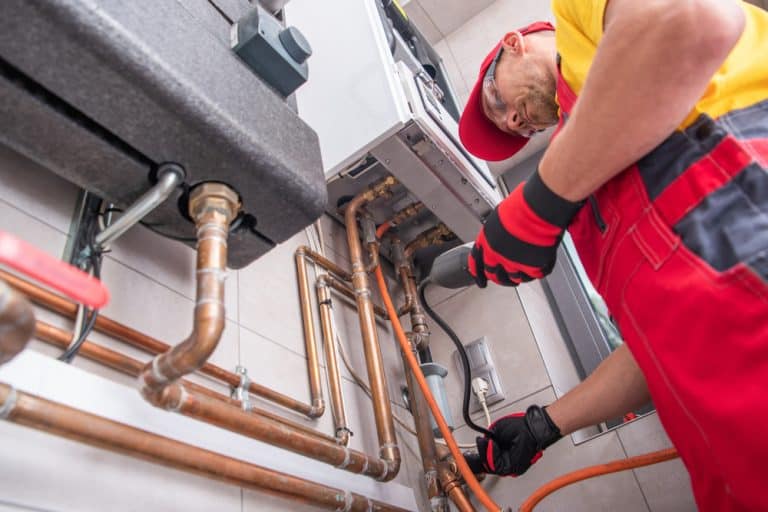
Wall-mounted gas boilers are particularly attractive for older homes with limited basement space. They take up significantly less room than traditional floor-standing units while delivering the same heating performance. This can free up valuable basement space while providing easier access for maintenance.
When Oil Boilers Still Make Sense
While gas conversions are popular, oil boilers aren’t obsolete—especially in older Brockton homes where gas lines aren’t readily available. Modern oil-fired boilers offer excellent efficiency and can integrate perfectly with existing radiator systems.
Oil boilers typically have longer lifespans than gas units, with some lasting 20-30 years with proper maintenance. They’re also less affected by power outages, since many models can operate without electricity. For homes in areas where natural gas service is limited or expensive to connect, a high-efficiency oil boiler can provide decades of reliable service.
The key advantage for older homes is compatibility. Oil boilers can usually work with your existing piping, radiators, and chimney system with minimal modifications. This keeps installation costs down while ensuring your heating system integrates seamlessly with your home’s original design.
However, oil does require on-site storage and regular delivery scheduling. Fuel costs can also fluctuate more than natural gas prices. But for many Brockton homeowners, especially those in more rural areas or homes with challenging gas line access, oil remains a practical choice that delivers consistent, comfortable heat.
Sizing and Installation Considerations for Older Homes
Getting the size right is crucial—and it’s more complex in older homes than you might expect. Your new boiler needs to match not just your home’s heating load, but also work effectively with your existing radiator capacity and piping layout.
Proper sizing starts with a heat loss calculation that considers your home’s age, insulation levels, window efficiency, and unique architectural features. Many older Brockton homes have been updated with new windows or added insulation over the years, which means they may need less heating capacity than originally installed.
Professional installation becomes even more critical in older homes. Tight basement spaces, outdated electrical systems, and aging chimney conditions all require specialized expertise to navigate safely and effectively.
Working with Existing Radiator Systems

One major advantage of boiler systems in older homes is that your existing radiators are often the most efficient part of your heating system. Cast iron radiators, in particular, are more efficient than newer aluminum or steel models because they retain and radiate heat more effectively.
This means you can often keep your existing radiators while upgrading just the boiler. This approach saves thousands of dollars compared to a complete system overhaul while still delivering modern efficiency and reliability.
However, your new boiler needs to be compatible with your radiator system’s water temperature requirements. Older radiators were typically designed for higher water temperatures than modern systems prefer. A knowledgeable installer will ensure your new boiler can deliver the right temperature and flow rate to keep your radiators working effectively.
Some homes may benefit from adding thermostatic radiator valves or zone controls during the boiler upgrade. These additions allow you to control heat in individual rooms more precisely, improving comfort while reducing energy waste in unused areas.
Navigating Installation Challenges in Historic Properties
Installing a boiler in an older Brockton home often means working around constraints that didn’t exist when the house was built. Basement ceiling heights may be lower than modern codes prefer. Electrical systems might need updates to handle new equipment. Chimney conditions could require attention before a new boiler can be safely connected.
We know how to work within these limitations while ensuring everything meets current safety codes. This might involve creative routing of new piping, electrical upgrades, or chimney modifications. While these additions increase project complexity, they’re essential for safe, reliable operation.
The permitting process also tends to be more involved with older homes. Massachusetts building codes require permits and inspections for major HVAC changes, and historic properties may have additional requirements. Working with a contractor familiar with local regulations helps ensure your project proceeds smoothly without delays or compliance issues.
Access can be another challenge. Narrow basement stairs, tight doorways, or limited working space all require careful planning. Professional installers often need to carefully measure equipment and plan removal routes before beginning work. This upfront planning helps prevent problems and ensures your installation stays on schedule.
Choosing the Right Boiler Installation for Your Older Brockton Home
The best boiler for your older Brockton home isn’t necessarily the newest or most expensive—it’s the one that works seamlessly with your existing systems while delivering reliable, efficient heat. Whether you choose a high-efficiency gas boiler, stick with an upgraded oil system, or explore other options, the key is working with professionals who understand both modern equipment and historic home challenges.
Your heating system is too important to leave to chance, especially when New England winters can bring sub-zero temperatures and heavy snow. The right installation will keep you comfortable for decades while respecting your home’s character and your budget.
When you’re ready to explore your options, we at Emma Plumbing And Drain Services bring the expertise and local knowledge needed to navigate older home heating challenges successfully.