Summary:
How Energy-Efficient Water Heaters Actually Save You Money
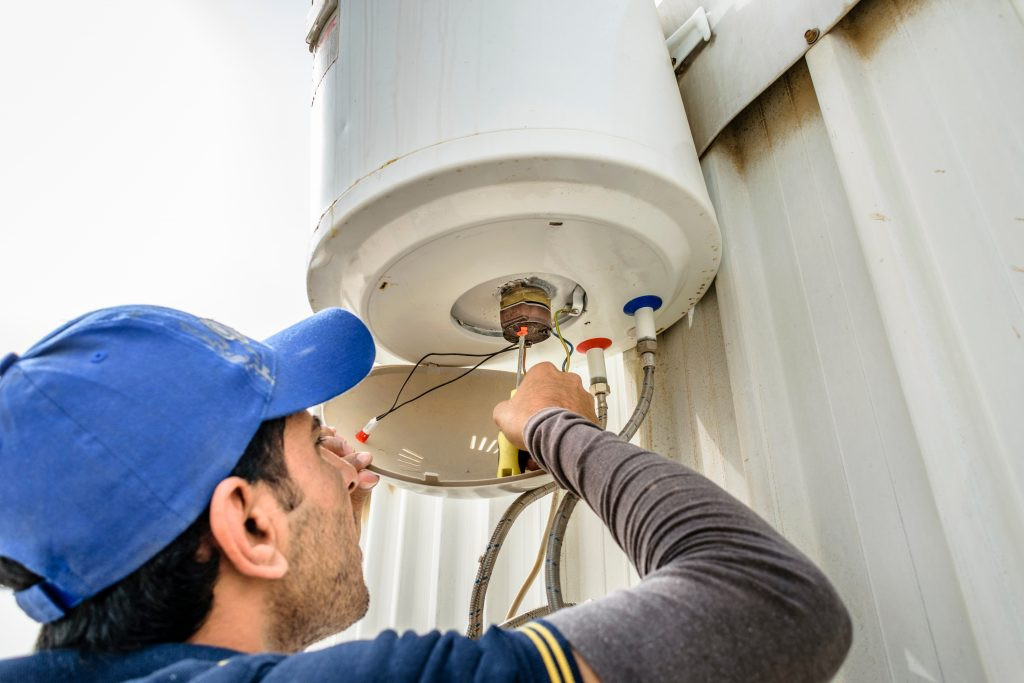
Energy-efficient water heaters work smarter, not harder. Traditional tank water heaters keep 40 to 80 gallons of water hot around the clock, whether you’re using it or not. That constant reheating burns energy and drives up your utility bills month after month.
Modern energy-efficient models take a different approach. Tankless systems heat water only when you turn on the tap. High-efficiency tank models use better insulation and smarter controls to reduce standby heat loss. Heat pump water heaters pull warmth from the air around them instead of generating heat from scratch. The result is less wasted energy and lower monthly costs that add up over time.
The savings aren’t small. Depending on your household size and hot water usage, upgrading to an energy-efficient water heater can cut your water heating costs by hundreds of dollars annually. For Massachusetts homeowners dealing with cold winters and high energy rates, that difference shows up fast.
Tankless Water Heater Installation: Is It Worth the Investment?
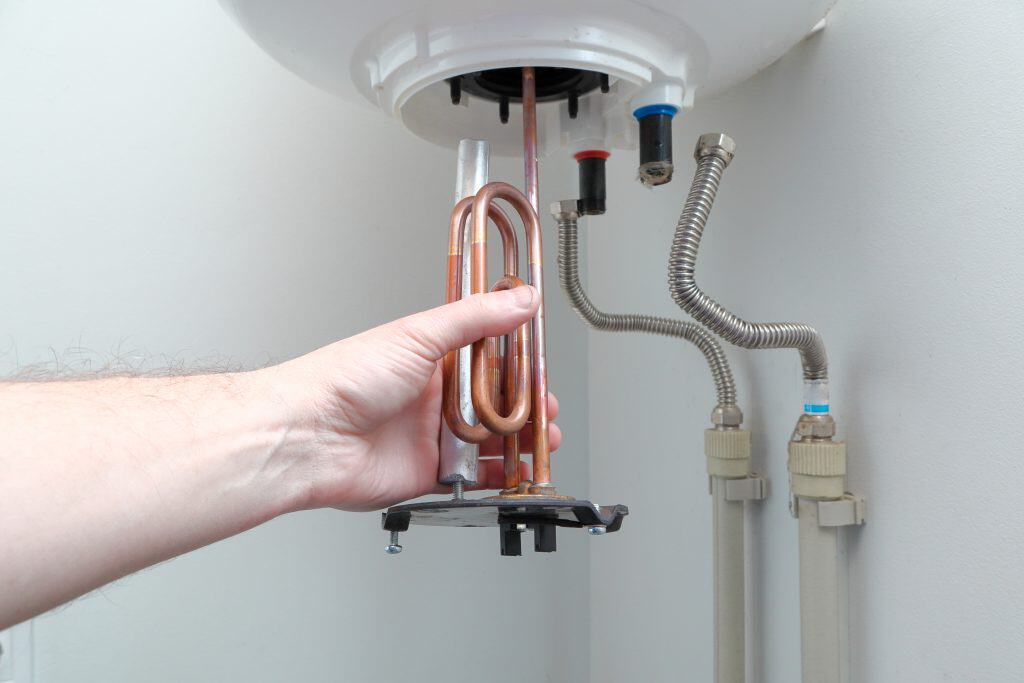
Tankless water heaters have gained popularity for good reason. They deliver hot water on demand without storing it in a tank, which eliminates the energy waste that comes with keeping water hot 24/7. For the average household, this translates to real savings—often between 24% and 34% on water heating bills compared to conventional storage tanks.
But the benefits go beyond monthly savings. Tankless units last significantly longer than traditional water heaters, often 20 years or more compared to the typical 8 to 10 years you’d get from a tank model. That means fewer replacements over your lifetime as a homeowner. They also take up far less space, which matters if your basement or utility closet is already cramped.
The upfront cost is higher, though. A tankless water heater installation in Massachusetts typically runs between $6,000 and $10,500, depending on the model and any modifications your home needs. Gas line upgrades, electrical work, or venting changes can add to the price. So the question becomes whether the long-term savings justify the initial expense.
For many homeowners, the answer is yes—especially if you plan to stay in your home for several years. The combination of lower utility bills, longer lifespan, and potential rebates can offset the higher purchase price. Massachusetts also offers rebates through the Mass Save program, which can put up to $700 back in your pocket for qualifying ENERGY STAR-certified tankless models. If you’re replacing an aging, inefficient water heater anyway, the upgrade makes even more sense.
That said, tankless systems aren’t a perfect fit for every home. If your household uses a large amount of hot water simultaneously—think multiple showers running while the dishwasher and washing machine are going—you might need a larger or multiple tankless units to keep up with demand. A professional assessment can help you figure out what capacity you actually need.
Understanding Energy Factor Ratings and What They Mean for Your Bills
When you’re shopping for a new water heater, you’ll see a lot of numbers thrown around. One of the most important is the Energy Factor, or EF rating, which has been replaced by the Uniform Energy Factor, or UEF, on newer models. This rating tells you how efficiently a water heater converts energy into hot water. The higher the number, the more efficient the unit—and the lower your operating costs.
Here’s why it matters. A water heater with a UEF of 0.95 is significantly more efficient than one with a UEF of 0.60. That difference might not sound dramatic, but it compounds over months and years of daily use. An efficient model wastes less energy on standby heat loss and does a better job of turning fuel or electricity into actual hot water you can use.
Tankless water heaters typically have UEF ratings above 0.90, and some models exceed 0.95. Heat pump water heaters can reach even higher efficiency levels, sometimes above 3.0, because they move heat instead of generating it. Traditional storage tank water heaters usually fall between 0.60 and 0.80, depending on the model and fuel type.
But the UEF rating alone doesn’t tell the whole story. You also need to think about the first-hour rating, which indicates how much hot water the unit can deliver during peak demand. A highly efficient water heater that can’t keep up with your household’s needs won’t save you money if you’re constantly running out of hot water or waiting for the tank to reheat.
The Department of Energy cautions against choosing a water heater based solely on efficiency ratings. You need to balance efficiency with capacity, fuel type, installation costs, and your specific usage patterns. We can help you weigh these factors and choose a model that actually fits your home and budget.
One more thing to keep in mind: federal energy standards have been tightening, which means newer water heaters are generally more efficient than older models. If your current water heater is 10 or 15 years old, even a mid-range new model will likely be a significant upgrade in terms of energy performance. That’s one reason why replacing an aging water heater before it fails completely can be a smart financial move.
Signs Your Current Water Heater Is Costing You Money
Sometimes the biggest energy drain in your home is the one you’re not paying attention to. Your water heater might be quietly driving up your utility bills without showing obvious signs of failure. Catching these red flags early can save you money and help you avoid an emergency replacement when your unit finally gives out.
Rising energy bills are often the first clue. If your utility costs have been creeping up without a clear explanation—no new appliances, no major changes in usage—your water heater could be the culprit. As water heaters age, they lose efficiency. Sediment builds up at the bottom of the tank, forcing the unit to work harder to heat water. Components wear out. Insulation degrades. All of this adds up to wasted energy and higher bills.
Inconsistent water temperature is another warning sign. If your morning shower starts hot but turns lukewarm halfway through, or if you’re constantly adjusting the faucet to find the right temperature, your water heater is struggling. This usually means the heating element is failing or the thermostat isn’t working properly. Either way, you’re paying for energy that isn’t delivering the hot water you need.
When a Leaking Water Heater Becomes an Emergency
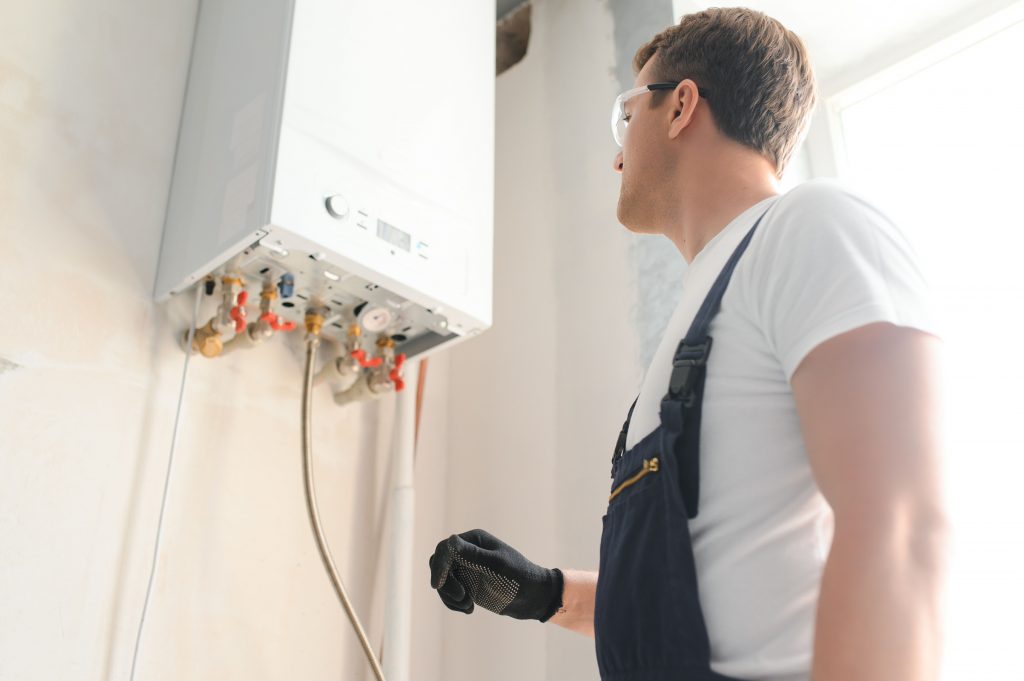
A leaking water heater isn’t just an inconvenience—it’s often a sign that you’re on borrowed time. Even minor leaks can cause serious damage to your home, from warped flooring to mold growth in walls and ceilings. And the longer you wait to address it, the worse the damage becomes.
Not all leaks are created equal. Sometimes water around the base of your water heater is just condensation, especially if the unit is in a cold basement and you’ve recently started using more hot water. But if you see a steady drip or pooling water that doesn’t go away, you’ve got a real problem. Leaks from the tank itself usually mean the interior has corroded, and once that happens, there’s no fixing it. You need a replacement.
Leaks from the top of the water heater are often related to loose connections or faulty valves, which can sometimes be repaired. But leaks from the bottom typically indicate that the tank has rusted through. The pressure inside the tank means any attempt to patch it would be temporary at best and dangerous at worst. Water damage from a failed water heater can cost thousands of dollars to repair, far more than the cost of replacing the unit proactively.
If you notice water around your water heater, don’t wait to see if it gets worse. Turn off the power supply—flip the breaker for electric models or turn the gas valve to the off position for gas units. Then shut off the water supply to prevent more water from entering the tank. After that, call us. A leaking water heater is one of those situations where trying to save money by waiting or attempting a DIY fix almost always backfires.
The good news is that catching a leak early gives you time to make a smart decision about your replacement. You can research your options, compare energy-efficient models, and take advantage of rebates or financing programs. When you’re forced into an emergency replacement because your water heater flooded the basement, you lose that flexibility.
How Old Water Heaters Waste Energy Without You Realizing It
Age matters when it comes to water heaters. Most traditional tank water heaters last between 8 and 12 years. Once your unit crosses the 10-year mark, it’s entering the danger zone where efficiency drops and the risk of failure increases significantly. Even if it’s still producing hot water, an aging water heater is almost certainly costing you more than it should.
Sediment buildup is one of the main culprits. Over time, minerals from your water supply settle at the bottom of the tank. This layer of sediment acts like insulation between the heating element and the water, forcing your water heater to run longer and work harder to reach the desired temperature. That extra effort translates directly into higher energy consumption. You’re paying for the same amount of hot water, but it’s taking more energy to produce it.
Corrosion is another silent efficiency killer. The inside of your water heater tank is protected by a glass lining and a sacrificial anode rod that attracts corrosive elements. But over time, the anode rod deteriorates, and once it’s gone, the tank itself starts to corrode. Rusty water coming from your hot taps is a clear sign that corrosion has begun. At this point, the tank is not only less efficient—it’s also at high risk of leaking or failing completely.
Older water heaters also lack the energy-saving features found in modern models. Better insulation, more efficient burners, improved thermostats, and smarter controls all contribute to lower energy use. Federal efficiency standards have gotten stricter over the years, which means a new water heater meeting current standards will almost always outperform a 10 or 15-year-old model, even if that older unit was considered efficient when it was new.
If your water heater is approaching or past the 10-year mark, it’s worth getting a professional assessment. Even if it’s not showing obvious signs of failure, the energy savings from upgrading to a new, efficient model could pay for a significant portion of the replacement cost over just a few years. And you’ll avoid the stress and expense of dealing with an emergency breakdown when it finally gives out at the worst possible time.
Making the Smart Choice for Your Home and Your Budget
Upgrading your water heater isn’t just about fixing a problem—it’s about taking control of one of the biggest energy expenses in your home. Whether you’re dealing with a leaking water heater, rising utility bills, or an aging unit that’s living on borrowed time, the right water heater installation can deliver real savings that compound month after month and year after year.
The key is understanding what actually matters. Energy efficiency ratings, the right capacity for your household, available rebates, and long-term operating costs all play a role in making a smart decision. And while the upfront cost of a high-efficiency water heater might seem steep, the combination of lower bills, longer lifespan, and potential incentives often makes it the more affordable choice over time.
If you’re ready to stop overpaying for hot water and start saving on your energy bills, we can help you find the right solution for your home. With upfront pricing, expert installation, and a commitment to quality work, you’ll have the peace of mind that comes from knowing the job was done right.