Summary:
Lower Heating Costs and Predictable Monthly Bills
The biggest reason homeowners make the switch is simple math. Natural gas costs significantly less than heating oil, and that gap has been widening. Right now in Massachusetts, heating oil runs between $2.85 and $3.74 per gallon. Those prices jumped by 25 cents in a single week this January, and they’ll likely keep moving based on global oil markets you have zero control over.
Natural gas pricing is more stable because it’s produced domestically. Most Massachusetts homeowners using oil spend $1,700 to $2,500 per winter on heating. Those using natural gas? Closer to $700 to $900 for the same period. That’s not a typo. You’re looking at potential savings of $800 to $2,500 every single year, and those savings continue for the entire lifespan of your equipment.
The efficiency difference matters too. Modern gas systems operate at 89% to 98% efficiency, meaning nearly all the fuel you pay for actually heats your home. Oil systems typically max out around 80% to 90%. You’re literally watching some of your heating dollars go up the chimney.
What Does Oil to Gas Conversion Cost in Massachusetts
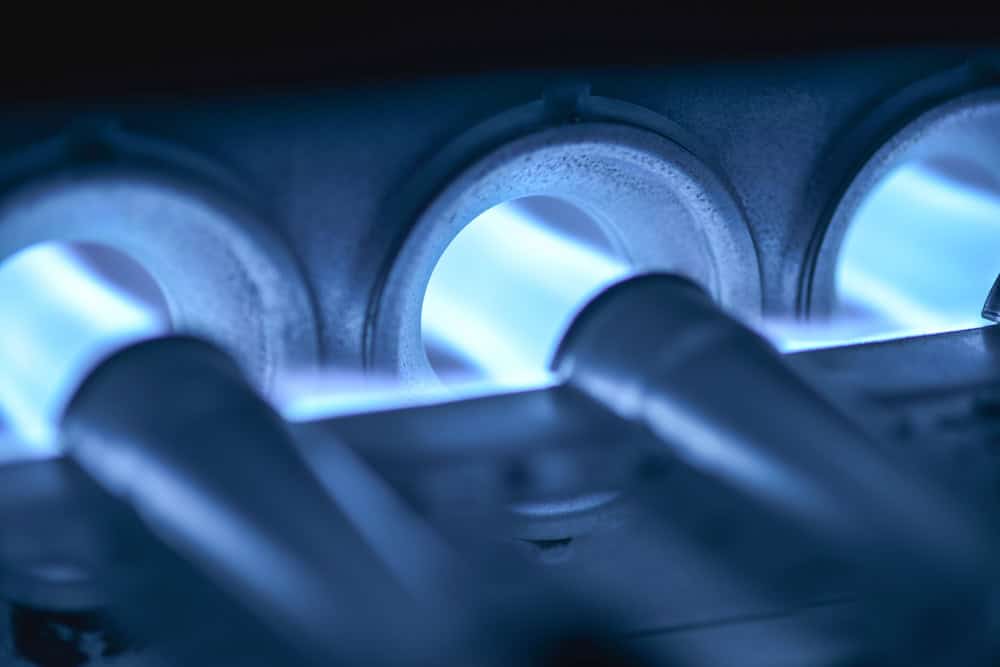
Let’s address the elephant in the room. Oil to gas conversion isn’t free, and the upfront cost stops a lot of homeowners from moving forward. The total investment typically ranges from $5,000 to $15,000, depending on your situation. That number includes the new gas heating equipment, installation labor, connecting to the gas line, and potentially removing your old oil tank.
Here’s what drives that cost. If your heating system is over ten years old, you’re likely replacing the entire unit rather than just converting the burner. A new high-efficiency gas furnace or boiler runs $5,000 to $10,000 installed. If you need a gas line brought from the street to your house, add another $1,000 or so, though some utility companies will install this for free if you’re part of a larger neighborhood conversion project. Oil tank removal can cost anywhere from a few hundred to a couple thousand, depending on whether it’s above or below ground.
The good news is that Mass Save offers rebates that can offset some of these costs. You can access up to $1,600 in rebates on qualifying high-efficiency equipment, and there’s 0% financing available for up to seven years for eligible homeowners. That financing can turn a $10,000 project into manageable monthly payments that are often offset by your immediate heating bill savings.
Most homeowners see a full return on their investment within five to eight years. After that, every dollar you save is pure profit. If you’re planning to stay in your home for the next decade, the math works strongly in your favor. If you’re thinking of selling within three years, the calculation gets trickier, though homes with natural gas heating do tend to sell faster and command better prices in Plymouth, MA, Norfolk, MA, Bristol, MA, and Middlesex, MA.
How Long Does the Oil to Gas Conversion Process Take
One of the biggest concerns homeowners have is how disruptive the conversion will be. The reality is that most oil to gas conversions take one to two days from start to finish, assuming your gas line is already installed or gets installed beforehand. Working with experienced plumbing contractors who specialize in heating system conversions makes the process smoother and faster.
Here’s how the process typically works. First, you’ll need to verify that natural gas service is available in your neighborhood. In Plymouth, Norfolk, Bristol, and Middlesex Counties, most areas have access, but it’s worth confirming with your local utility company. They’ll handle bringing the gas line from the street to your house, which can take a few weeks to schedule but doesn’t require you to be home for more than the final connection.
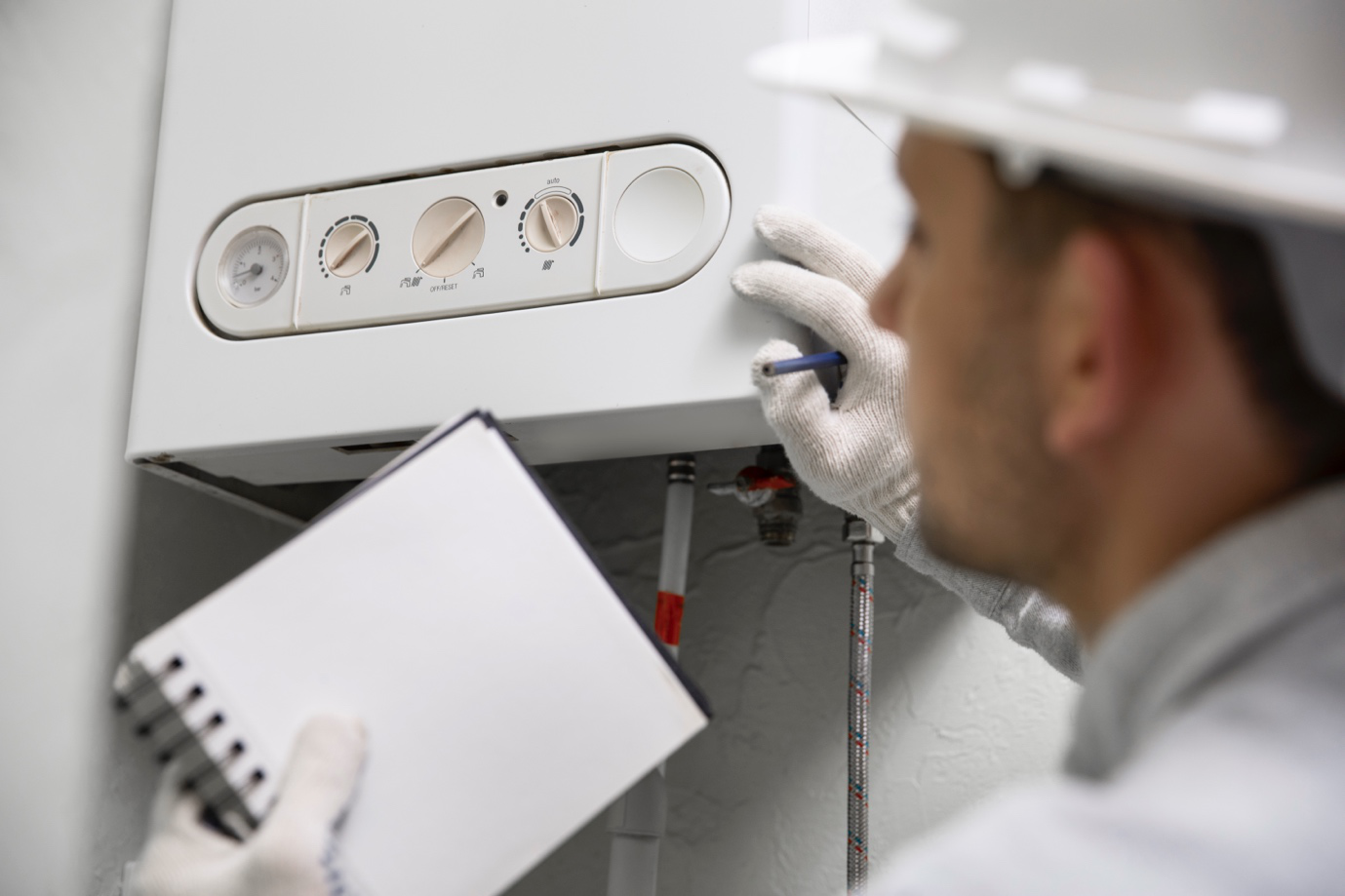
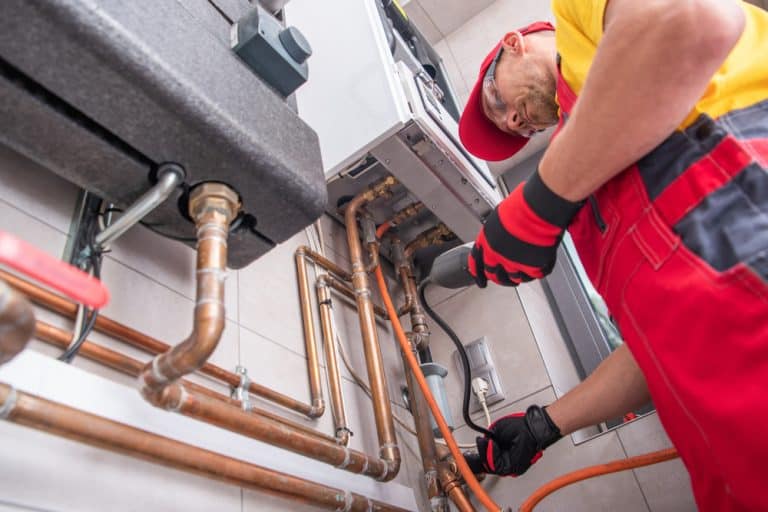
Once gas service is ready, your plumbing contractor will assess your current heating system and recommend the right equipment for your home’s size and layout. They’ll remove your old oil burner or furnace, install the new gas equipment, connect everything to your existing ductwork or radiators, and test the system thoroughly. If you’re getting rid of your oil tank at the same time, that’s usually handled as part of the same project.
You won’t be without heat during the conversion. Most plumbing contractors schedule the work for a day when temperatures are manageable, or they’ll have your new system up and running within hours. The biggest inconvenience is usually just being home while the work happens and dealing with some noise and activity in your basement or mechanical room.
After installation, your plumber will walk you through how your new system works, what maintenance it needs, and how to maximize efficiency. Modern gas systems are straightforward to operate, and most homeowners find them simpler than their old oil setups.
Never Run Out of Fuel or Schedule Deliveries Again
Beyond the money, there’s something to be said for never thinking about your fuel supply again. With oil, you’re constantly aware of your tank level. You’re scheduling deliveries. You’re hoping the truck can get to you before you run out, especially during peak winter demand when delivery companies are slammed. You’re prepaying for fuel that might sit in your tank for months.
Natural gas eliminates all of that. It’s delivered continuously through underground pipelines directly to your home. You use what you need, when you need it, and you’re billed monthly for actual usage. No more watching the gauge. No more emergency calls when you cut it too close. No more being home for delivery windows.
The supply is also more reliable. Natural gas outages affecting residential customers are extremely rare in Massachusetts. Even during severe weather events that can delay oil deliveries for days, gas keeps flowing. That peace of mind matters when you’re facing a nor’easter and temperatures are dropping.
Cleaner Operation Means Less Maintenance and Better Air Quality

Oil heating systems are messy. That’s not an opinion, it’s just how oil combustion works. Burning heating oil produces soot, ash, and residue that builds up in your equipment, your chimney, and sometimes even in your home. You need annual cleanings. You’re changing filters and nozzles. You’re paying for chimney maintenance to deal with the byproducts of combustion.
Natural gas burns clean. It produces minimal residue, which means your equipment stays cleaner and requires less frequent servicing. You’ll still want annual maintenance from a qualified plumber to keep everything running efficiently and catch small issues before they become big problems, but the work is less intensive and often less expensive. You’re not dealing with soot-caked components or worrying about buildup in your chimney.
The air quality in your home improves too. Oil systems can produce odors, especially if there’s a leak or incomplete combustion. They can form sludge in storage tanks. Natural gas combustion is cleaner, with the main byproducts being carbon dioxide and water vapor. You’re not dealing with the same level of indoor air pollutants.
There’s also the space factor. Oil tanks are big, bulky, and take up valuable basement or outdoor space. Modern gas equipment is more compact, and high-efficiency systems can be installed on any exterior wall rather than requiring proximity to a chimney. Homeowners are often surprised by how much usable space they get back after removing an old oil tank and outdated equipment.
Environmental Impact and Increased Home Value in Massachusetts
If you care about your home’s environmental footprint, natural gas is a meaningful step in the right direction compared to heating oil. Natural gas produces approximately 30% less carbon dioxide per unit of heat than oil. It also emits lower levels of other pollutants like sulfur dioxide and nitrogen oxides. It’s not a perfect solution, but it’s significantly cleaner than what you’re using now.
Massachusetts has committed to achieving net-zero emissions by 2050, and home heating is a major part of that equation. While heat pumps represent the ultimate goal for many homes, converting from oil to gas is a practical intermediate step that delivers immediate benefits while the technology and infrastructure for full electrification continue to develop.
From a resale perspective, natural gas heating is an asset. Homes with gas heat tend to sell faster and command better prices than comparable homes still using oil. Buyers see it as a modern, efficient system that won’t saddle them with volatile fuel costs. If you’re planning to sell within five to ten years, the conversion can pay for itself through both ongoing savings and increased home value at closing.
There’s also the risk factor. Heating oil tanks can leak, especially as they age. Underground tanks are particularly problematic and can cause expensive environmental remediation issues if they fail. Removing your oil tank as part of the conversion eliminates that liability entirely. Many local building codes in Plymouth, Norfolk, Bristol, and Middlesex Counties now require tank removal when converting, which is actually doing you a favor by getting rid of a potential problem before it becomes your problem.
Is Oil to Gas Conversion Right for Your Home
Switching from oil to gas heating makes sense for most Massachusetts homeowners, but not everyone. The decision comes down to a few key factors: how long you’re planning to stay in your home, whether natural gas service is available in your area, the age and condition of your current heating system, and your budget for the upfront investment.
If you’re staying put for at least five years, the numbers work. You’ll recoup your investment through lower heating bills and reduced maintenance costs, and you’ll enjoy the convenience and reliability of never running out of fuel. If natural gas is already on your street, the conversion is straightforward. If you’re facing a major repair or replacement on your oil system anyway, now is the perfect time to make the switch rather than throwing good money after bad.
The rebates and financing available through Mass Save make the upfront cost more manageable than it’s ever been. With 0% financing and rebates up to $1,600, you can spread the investment over several years while immediately benefiting from lower monthly heating costs. For many homeowners, the monthly loan payment is less than the amount they save on heating bills.
We’ve helped homeowners across Plymouth, Norfolk, Bristol, and Middlesex Counties evaluate their options and complete successful oil to gas conversions. If you’re tired of unpredictable oil costs and ready to explore whether natural gas makes sense for your home, reach out to us for an honest assessment and upfront, transparent pricing with no hidden fees. Your comfort and budget matter, and the right heating solution should serve both.