Summary:
What Is Drain Snaking and How Does It Work
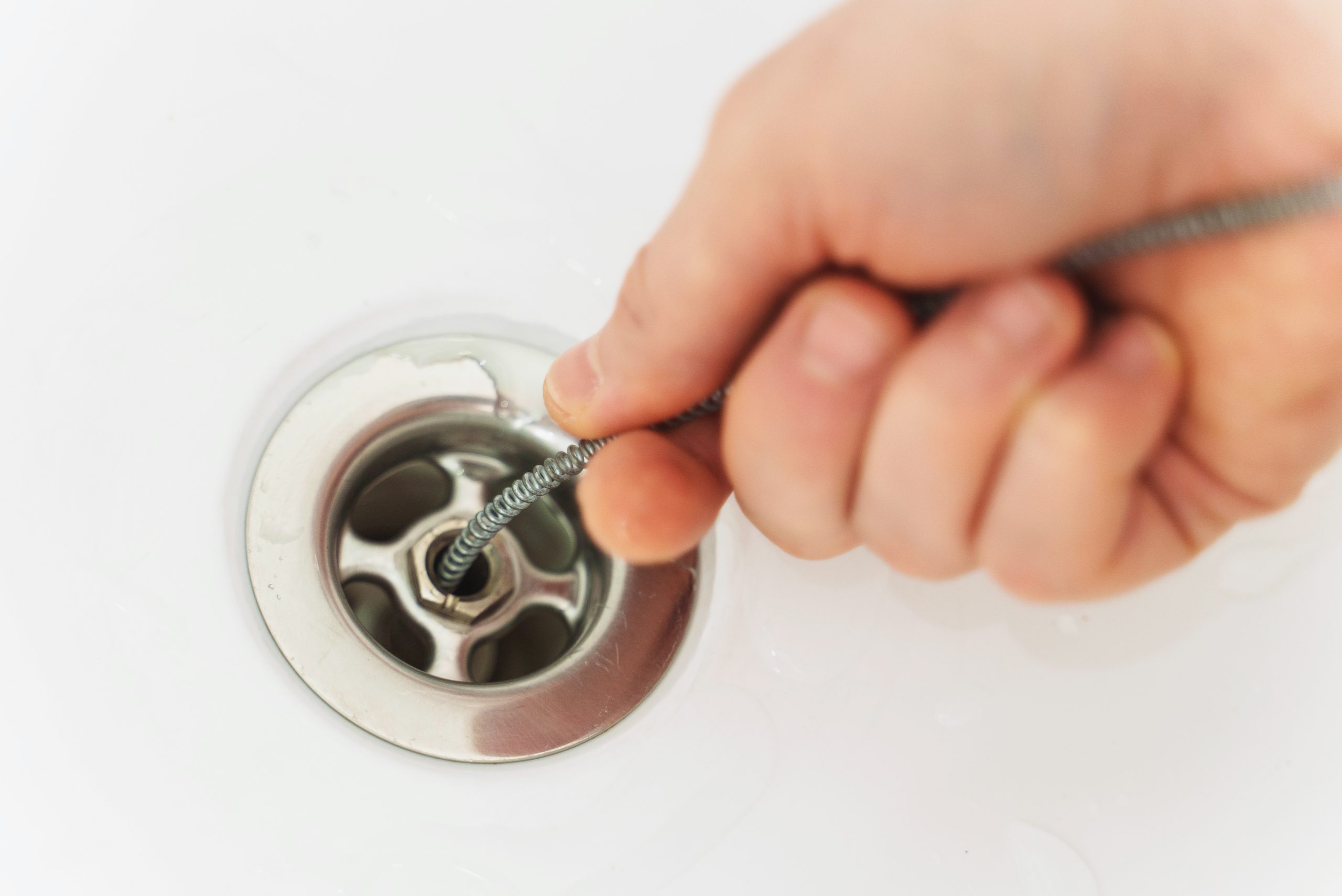
Drain snaking uses a flexible metal cable with a corkscrew-like tip to physically break through clogs. We feed this cable down your drain until it reaches the blockage, then rotate it to either push through or grab onto the obstruction.
It’s the tried-and-true method we’ve relied on for decades. Snaking works well for simple, localized clogs like hair in bathroom drains or food particles in kitchen sinks. The process is relatively quick and typically costs between $100-300 for most residential jobs.
When Snaking Works Best for Your Drains
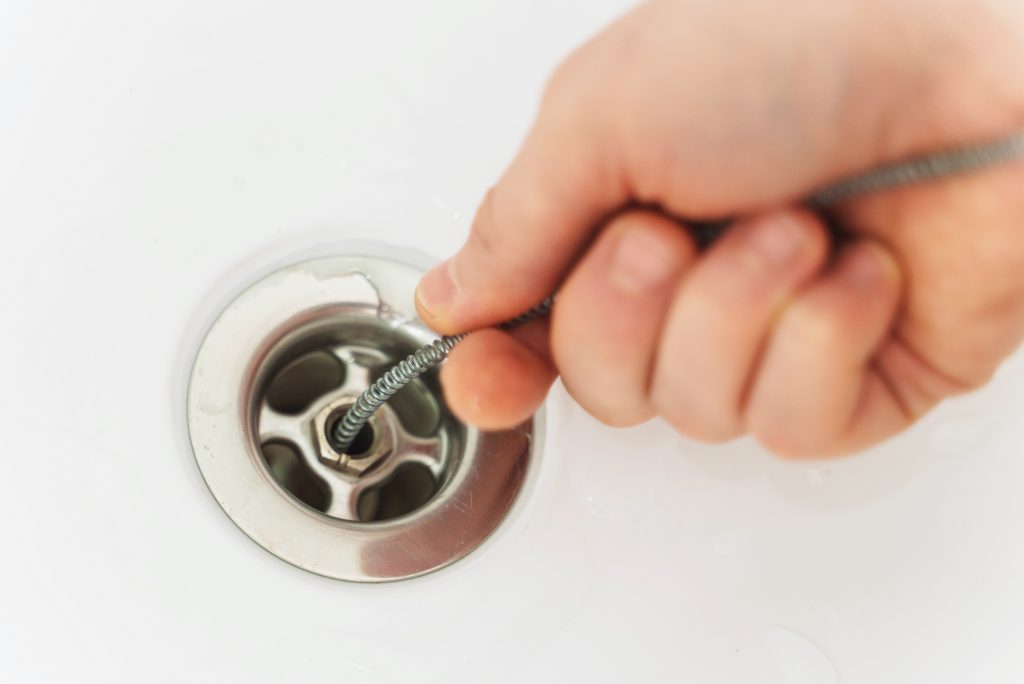
Snaking shines when you’re dealing with straightforward blockages close to the drain opening. If your bathroom sink suddenly stopped draining after someone with long hair used it, or your kitchen disposal is backing up from food scraps, snaking can often solve these issues quickly.
This method is particularly effective for toilets, where the J-shaped snake design can navigate the trap and clear most common clogs. It’s also the safer choice for older pipes that might not handle high water pressure well. Many Massachusetts homes built before 1950 have cast iron or clay pipes that benefit from the gentler approach of mechanical snaking.
The main advantage is speed and simplicity. We can often clear a basic clog in 30 minutes or less. For minor issues that haven’t been building up over months or years, snaking provides immediate relief without the need for more intensive cleaning methods.
However, snaking has limitations you need to understand. It creates a hole through the blockage rather than removing it completely. Think of it like poking a pencil through a piece of paper – you’ve made an opening, but the paper is still there. This means the residue left on your pipe walls often leads to the same problem recurring within weeks or months.
Why Snaking Sometimes Falls Short
The biggest limitation of snaking becomes clear when you’re dealing with buildup rather than a single obstruction. Grease that’s hardened along pipe walls, mineral deposits from hard water, or tree roots that have infiltrated your sewer line won’t be fully addressed by mechanical snaking.
You might get temporary relief as water starts flowing again, but the underlying cause remains. This is why many homeowners find themselves calling for the same drain to be snaked every few months. Each time, we clear a path through the accumulation, but the buildup continues growing.
Massachusetts homeowners often face this scenario with kitchen drains affected by grease buildup or main sewer lines invaded by tree roots seeking water sources. The older infrastructure in many Bay State communities means pipes that have decades of accumulation that snaking simply can’t remove completely.
There’s also the risk factor to consider. Aggressive snaking on fragile pipes can cause scratches or even punctures. Using the wrong size snake or applying too much pressure can damage your plumbing system, leading to expensive repairs that cost far more than the original cleaning service.
Understanding Hydro Jetting Technology
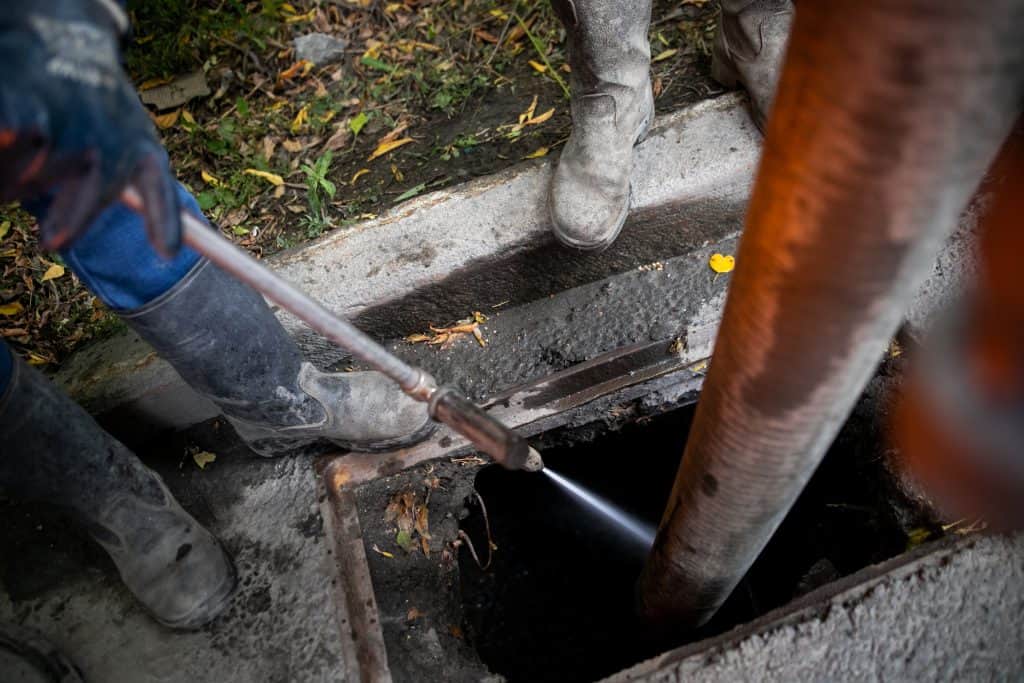
Hydro jetting takes a completely different approach, using pressurized water streams that typically reach 1,500 to 4,000 PSI to scour your pipes clean. Instead of just breaking through clogs, this method removes the buildup that caused the problem in the first place.
Think of it as power-washing your pipes from the inside out. The high-pressure water doesn’t just create a hole through the blockage – it blasts away grease, mineral deposits, tree roots, and years of accumulated debris from the pipe walls themselves.
How Hydro Jetting Delivers Superior Results

The technology behind hydro jetting makes it uniquely effective for thorough drain cleaning. Specialized nozzles spray water in multiple directions simultaneously, creating a 360-degree cleaning effect that reaches every surface inside your pipes.
This comprehensive approach means hydro jetting doesn’t just solve your immediate drainage problem – it prevents future clogs by removing the conditions that cause them. When grease, soap scum, mineral deposits, and other debris are completely flushed away, your pipes return to their original flow capacity.
For Massachusetts homeowners dealing with recurring drain issues, this represents a fundamental solution rather than a temporary fix. Properties in Plymouth, Norfolk, Bristol, and Middlesex counties often have older plumbing systems that benefit significantly from this thorough cleaning approach.
The environmental benefits are worth noting too. Hydro jetting uses only water under pressure, eliminating the need for harsh chemical drain cleaners that can damage pipes and harm the environment. This makes it a safer choice for both your plumbing system and the groundwater that many Massachusetts communities depend on.
The process typically takes longer than snaking – usually 1-3 hours depending on the extent of buildup – but the results last significantly longer. Many homeowners find that annual hydro jetting prevents the need for emergency drain calls and extends the overall lifespan of their plumbing system.
When Hydro Jetting Is Your Best Choice
Hydro jetting becomes the clear winner when you’re dealing with persistent drainage problems that keep coming back despite repeated snaking attempts. If you’ve had the same drain cleared multiple times in the past year, you’re likely dealing with buildup that only high-pressure water cleaning can address effectively.
Commercial properties and busy households particularly benefit from hydro jetting’s thorough approach. Restaurant kitchens, apartment buildings, and homes with large families generate enough grease and debris to require the comprehensive cleaning that only pressurized water can provide.
Tree root intrusion is another scenario where hydro jetting excels. Massachusetts properties with mature landscaping often experience root infiltration in sewer lines, especially in clay or cast iron pipes common in older neighborhoods. While snaking might cut through some roots, hydro jetting can slice through the entire root mass and flush it away completely.
The method also works exceptionally well for preventive maintenance. Rather than waiting for clogs to develop, many property owners schedule annual hydro jetting to keep their drainage systems operating at peak efficiency. This proactive approach often costs less than dealing with multiple emergency service calls throughout the year.
However, hydro jetting requires professional expertise and proper equipment. The high pressures involved can damage pipes if used incorrectly, which is why this isn’t a DIY project. We assess pipe condition, adjust pressure settings appropriately, and use video inspection to ensure the cleaning is both safe and effective.
Choosing the Right Drain Cleaning Method
The choice between hydro jetting and snaking depends on your specific situation, pipe condition, and long-term goals. For simple, one-time clogs in newer plumbing systems, snaking often provides quick and cost-effective relief.
But if you’re dealing with recurring problems, older infrastructure, or want to prevent future issues, hydro jetting delivers superior results that justify the higher upfront cost. The comprehensive cleaning approach addresses root causes rather than just symptoms, making it the smarter long-term investment for most Massachusetts properties.
When drainage problems disrupt your daily routine, don’t settle for temporary fixes that leave you calling for service again in a few months. Contact Emma Plumbing And Drain Services to discuss which approach will solve your specific drainage challenges permanently.