
Summary:
What Makes a Boiler High-Efficiency and Why It Matters for Energy Efficient Heating
High-efficiency boilers aren’t just slightly better than standard models. They work differently. The key difference comes down to how they handle combustion gases.
Standard boilers let hot exhaust gases escape up the chimney, wasting energy in the process. High-efficiency condensing boilers capture that heat before it leaves, cooling the gases enough that water vapor condenses inside the heat exchanger. That condensation releases extra energy—about 10% more heat from the same amount of fuel.
Efficiency gets measured by AFUE ratings, which tell you how much of your fuel actually heats your home versus how much goes up the chimney. Standard boilers typically hit 80-85% efficiency. High-efficiency models reach 90-96%, with some top performers even higher. That difference matters more than it sounds like it would, especially when you’re heating through a full Massachusetts winter.
How Much You'll Actually Save on Lower Heating Bills
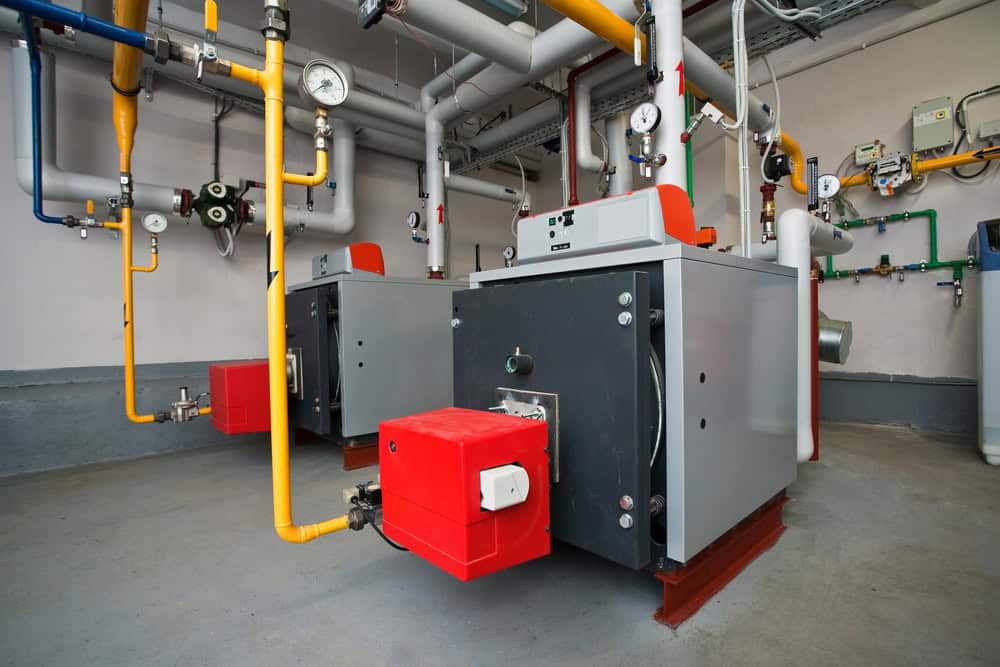
Let’s talk real numbers, not marketing promises. If your current boiler runs at 80% efficiency and costs you $1,000 annually in gas, upgrading to a 95% efficiency model saves you roughly $150 per year. Over a typical Massachusetts six-month heating season, that’s close to $500 staying in your pocket instead of going up the chimney.
The savings scale with your usage. Larger homes with higher heating demands see bigger returns. Older homes with less insulation also benefit more because they need more heat to stay comfortable. Your actual savings depend on factors like your home’s size, insulation quality, and how cold you keep the thermostat.
Massachusetts heating costs add another layer worth considering. Natural gas serves about half of homes in the state, with heating oil covering another 20%, especially in older Plymouth County properties. Recent forecasts show heating oil averaging $3.10 per gallon this winter, with typical households spending around $1,103 for the season. Even modest efficiency improvements translate to meaningful dollar amounts when you’re heating through New England winters.
The payback period matters too. High-efficiency boilers cost more upfront—typically $1,500 to $3,000 extra compared to standard models. With annual savings of $150 to $300, you’re looking at a 5 to 10 year payback, sometimes faster if you qualify for rebates. After that, the savings keep coming for the life of the boiler, which can run 15 to 20 years or longer with proper maintenance.
One thing many homeowners miss: efficiency ratings assume proper installation and operation. A high-efficiency boiler installed incorrectly or running at temperatures too high to condense won’t deliver the promised savings. That’s why working with contractors who understand condensing boiler technology makes a difference in whether you actually see lower heating bills.
Top Rated Boilers and Brands Worth Considering in 2026
Not all high-efficiency boilers perform equally. Some brands have earned reputations for reliability, while others look good on paper but struggle in real-world conditions. Here’s what’s actually worth considering for Plymouth, MA homes.
Navien leads the pack for energy efficiency, using advanced condensing technology that consistently delivers on efficiency promises. Their systems include smart controls and modulation that adjusts output based on actual heating demand rather than running full blast. Homeowners report strong performance even during the coldest stretches of Massachusetts winters.
Weil-McLain and Burnham represent the reliable workhorses of the boiler world. Both companies have been around for decades, which means parts availability down the road and technicians who know how to service them. These cast-iron units regularly last 25 years or more with proper maintenance. They may not have all the bells and whistles of newer brands, but they keep working year after year.
Buderus boilers bring German engineering to the table, with stainless steel heat exchangers designed for durability. They tend to cost more upfront but deliver consistent efficiency over their lifespan. The brand offers both condensing and non-condensing options, though the condensing models provide the best long-term value for energy efficient heating.
Viessmann deserves mention for anyone prioritizing top-tier performance. Many heating professionals consider them the best of the best, with sophisticated controls that maximize efficiency. The tradeoff? Higher initial costs and the need for contractors experienced with their systems.
Consumer Reports recently evaluated 13 different boiler brands, with five earning excellent ratings for predicted reliability. The brands with the largest market share—Burnham and Weil-McLain—both performed well, which matters when you need boiler repair service or parts years from now.
Brand matters less than proper sizing and installation. A perfectly good boiler installed incorrectly will underperform and cost more to operate. The best boiler for your home depends on your specific heating needs, existing system setup, and whether you have radiators, baseboard heat, or radiant floors.
New Boiler Cost and What to Expect in Plymouth County
Boiler replacement costs in the Boston and Plymouth County area typically range from $2,454 to $6,723, with most installations averaging around $4,339. Those numbers include both equipment and labor, though your actual new boiler cost depends on the boiler type, fuel source, and complexity of installation.
High-efficiency models cost more than standard boilers—usually $4,000 to $10,000 installed versus $2,200 to $7,000 for standard efficiency. That $4,000 premium seems steep until you factor in rebates and long-term savings on energy efficient heating. The question becomes whether the total package makes financial sense for your situation.
Home Heating Rebates and Incentives Available in Massachusetts

Massachusetts offers some of the country’s best energy efficiency programs, though the landscape shifted in 2026. Understanding what’s available helps you maximize savings on a new boiler installation, though you’ll want to manage expectations compared to previous years.
Mass Save remains the primary source for home heating rebates in Massachusetts. The program is funded by electric and gas utilities and has consistently ranked in the top two nationally for over a decade. However, rebate amounts decreased significantly starting January 1, 2026.
For boiler-specific rebates, availability depends on your utility provider and the type of system you’re installing. Natural gas customers with Berkshire Gas, Eversource, Liberty Utilities, National Grid, or Unitil as their gas sponsor may qualify for incentives. The program focuses heavily on heat pump installations rather than traditional boilers, which means boiler rebates are more limited than they were in previous years.
Federal tax credits that previously offered up to $2,000 for high-efficiency heating equipment expired at the end of 2025. This represents a significant loss for homeowners installing systems in 2026. Combined with reduced Mass Save rebates, the total available incentives dropped by as much as $3,500 compared to 2025.
Some local utility companies offer their own rebate programs separate from Mass Save. Municipal light plants in Norfolk, MA, Bristol, MA, and Middlesex, MA sometimes provide additional incentives for energy-efficient upgrades. Checking directly with your utility provider reveals any programs specific to your service area.
The 0% interest HEAT Loan through Mass Save remains available, offering up to $25,000 in financing for qualified home improvements. This helps spread the new boiler cost over time without interest charges, though loan terms shortened in 2026, resulting in higher monthly payments than previous years.
Timing matters with rebates. Programs change annually, and funds sometimes run out before the year ends. If you’re considering boiler repair or replacement, understanding current incentives helps you plan the financial side of the project.
When High-Efficiency Actually Makes Sense for Your Home
Not every homeowner benefits equally from upgrading to high-efficiency equipment. Your situation determines whether the investment pays off or whether a standard boiler makes more sense for your budget and needs.
Age of your current system matters significantly. If your boiler is under 15 years old and working properly, replacement probably doesn’t make financial sense unless you’re facing major boiler repair costs. Boilers between 15 and 20 years old fall into a gray area where the decision depends on repair frequency and efficiency. Systems over 20 years old are usually worth replacing, especially if you’re experiencing frequent breakdowns or dramatically higher heating bills.
Home size and heating demand affect the calculation. Larger homes with substantial heating needs see faster payback on high-efficiency upgrades. A 3,000 square foot home heating through Massachusetts winters will save more annually than a 1,200 square foot condo, making the efficiency premium easier to justify.
Fuel costs in your area change the equation too. Natural gas customers typically see different payback periods than heating oil users. With heating oil averaging $3.10 per gallon this winter in Massachusetts, efficiency improvements save more in absolute dollars than they would in regions with cheaper fuel.
Your heating bills provide the clearest signal. If you’re spending $1,500 or more annually on heating, efficiency upgrades deliver meaningful savings toward lower heating bills. Homes spending $800 or less may find the payback period extends beyond the boiler’s expected lifespan.
Climate plays a role that’s easy to overlook. Plymouth County’s cold winters mean your boiler runs hard for six months or more each year. That extended heating season amplifies efficiency gains compared to milder climates where boilers see less use. The Department of Energy Resources notes that Massachusetts winters, while expected to be slightly milder than average, still demand reliable systems for energy efficient heating.
Insulation quality in your home affects whether you’ll see the full benefit of a high-efficiency boiler. Poorly insulated homes lose heat faster, requiring the boiler to run more often. Upgrading insulation before or alongside a new boiler maximizes your return on both investments.
Your plans for the home matter too. If you’re selling within a few years, you may not recoup the efficiency premium in the new boiler cost. If you’re staying put for a decade or more, the long-term savings and reliability become more valuable.
Choosing the Right Boiler for Your Plymouth County Home
Choosing a boiler comes down to matching the right equipment to your specific situation. High-efficiency models deliver real savings—typically 15-20% lower heating costs compared to standard boilers. For Plymouth County homes facing long winters and substantial heating demands, that efficiency translates to hundreds of dollars annually in lower heating bills.
The top rated boilers for 2026 include Navien for cutting-edge efficiency, Weil-McLain and Burnham for proven reliability, and Buderus for long-lasting performance. Each brings different strengths, and the right choice depends on your priorities around efficiency, durability, and new boiler cost.
Home heating rebates matter less in 2026 than they did previously, but proper sizing, professional installation, and regular maintenance matter more than ever. A correctly installed high-efficiency boiler from a reputable brand should deliver consistent savings and reliable heat for 15 to 20 years or longer.
If you’re dealing with an aging boiler, rising heating costs, or frequent boiler repair needs in Plymouth, MA, Norfolk, MA, Bristol, MA, or Middlesex, MA, now’s the time to explore your options. We can assess your current system, explain what makes sense for your home, and handle the installation with upfront transparent pricing and quality workmanship that comes with a 1-year labor warranty.