Summary:
Understanding Your Water Heater Installation Options
When it comes to water heater installation, you have two main paths: traditional tank systems and tankless units. Each approach has distinct advantages that matter for Massachusetts homeowners.
Traditional tank water heaters store and continuously heat 30-80 gallons of water in an insulated tank. They’re the familiar option most of us grew up with. Tankless systems heat water on demand as it flows through the unit, eliminating the need for storage.
The choice between these systems affects everything from your monthly energy bills to how much space you need in your basement or utility room.
How Traditional Tank Water Heaters Work for Massachusetts Homes
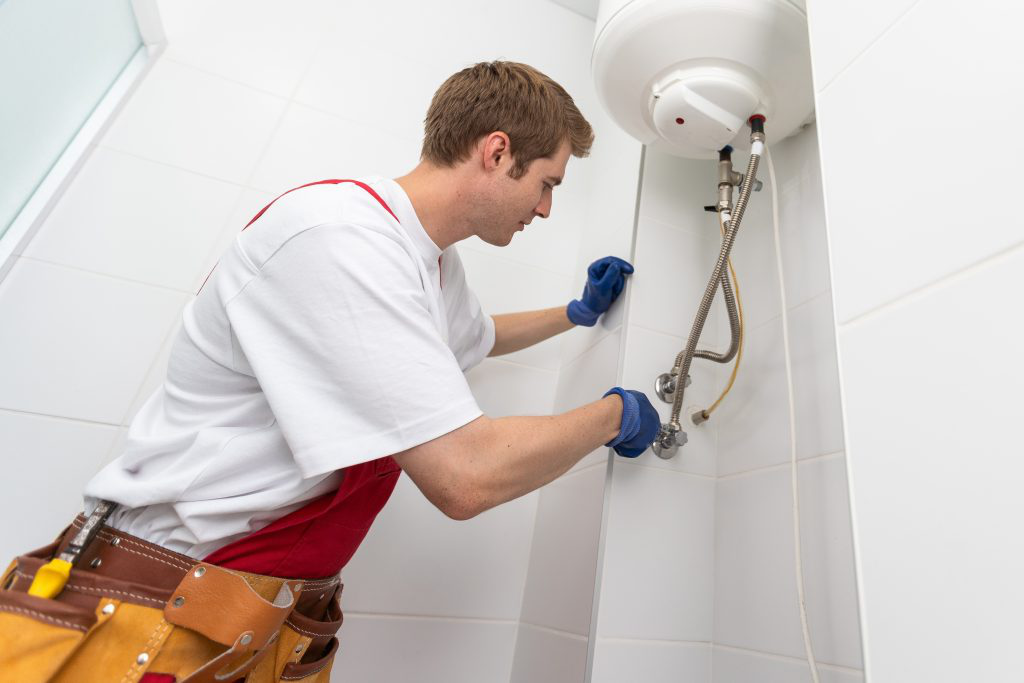
Traditional tank water heaters maintain a reservoir of hot water that’s ready whenever you turn on a faucet. Cold water enters the bottom of the tank while hot water exits from the top, following the principle that heat rises.
These systems work reliably in Massachusetts homes because they provide immediate hot water access. When you turn on your shower, you’re drawing from water that’s already heated and waiting. This makes them particularly valuable during our harsh winters when you can’t afford to wait for hot water.
The downside is standby heat loss. Your water heater continuously cycles on and off to maintain temperature, even when you’re not using hot water. During Massachusetts winters, this constant heating cycle becomes more pronounced as the unit works harder to maintain temperature in cold basements or utility areas.
Tank systems typically last 8-12 years with proper maintenance. Gas models heat water faster than electric versions and generally cost less to operate, making them popular in areas where natural gas is readily available. Electric models work well in homes without gas lines but typically have higher operating costs.
Installation is usually straightforward if you’re replacing a similar unit. Most Massachusetts homes already have the necessary connections, making replacement relatively simple. However, if you’re switching fuel types or upgrading to a larger tank, additional work may be required.
Why Tankless Water Heaters Are Gaining Popularity in Massachusetts
Tankless water heaters heat water instantly as it flows through the unit. When you turn on a hot water tap, cold water travels through a heat exchanger where either a gas burner or electric element rapidly heats it to your desired temperature.
This on-demand approach eliminates standby energy losses that plague traditional tanks. For Massachusetts homeowners, this translates to significant energy savings. According to the Department of Energy, tankless systems can be 24-34% more energy efficient for homes using 41 gallons or less of hot water daily.
The space-saving benefits matter in Massachusetts, where many homes have limited utility space. Tankless units are roughly the size of a small suitcase and can be wall-mounted, freeing up valuable basement or utility room space. Some models can even be installed outside with proper protection from freezing.
Tankless systems provide unlimited hot water as long as you stay within the unit’s flow rate capacity. You’ll never run out of hot water during long showers or when running multiple appliances simultaneously, though very high simultaneous demand might require multiple units in larger homes.
The lifespan advantage is substantial. While traditional tanks last 8-12 years, tankless units can operate efficiently for 20+ years with proper maintenance. This extended lifespan helps offset the higher initial investment over time.
However, tankless installation is more complex, especially when converting from a tank system. You may need electrical upgrades, new venting, or gas line modifications. The higher upfront cost and installation complexity require careful consideration of your long-term plans and budget.
Water Heater Installation Costs in Massachusetts
Understanding the real costs of water heater installation helps you make an informed decision for your Massachusetts home. Installation costs vary significantly based on the type of system, size requirements, and any necessary modifications to your existing setup.
Traditional tank water heater installation in Massachusetts typically ranges from $1,900 to $2,800 for a standard 50-gallon gas unit, including both the equipment and professional installation. Electric tank systems run slightly less, generally between $1,900 to $2,500 for similar capacity.
Tankless installation costs are considerably higher, ranging from $5,999 to $10,500 for quality units from trusted brands like Rinnai and Navien. The higher cost reflects both the sophisticated technology and the complex installation requirements these systems often demand.
Breaking Down Traditional Tank Installation Costs
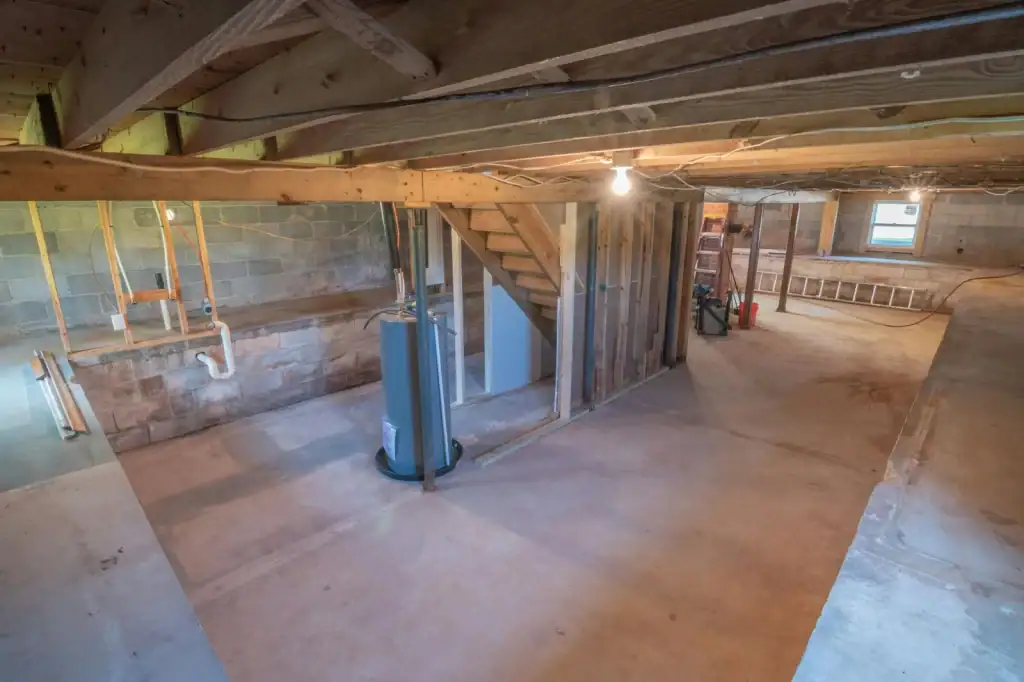
Traditional tank water heater costs vary based on several factors that Massachusetts homeowners should understand. The unit itself typically costs between $400 to $1,600, depending on capacity, efficiency rating, and brand quality.
Installation labor generally adds $800 to $1,200 to your total project cost. This includes removing your old unit, installing the new system, and ensuring all connections meet Massachusetts plumbing codes. If you’re replacing a similar unit in an easily accessible location, costs stay on the lower end of this range.
Several factors can increase your installation costs. Switching fuel types from electric to gas or vice versa requires additional work and permits. Installing a larger capacity tank may require structural modifications or upgraded connections. Difficult access locations, such as tight basement spaces or upper floors, increase labor time and costs.
Massachusetts requires permits for water heater installation, and only licensed plumbers can obtain these permits. This requirement protects homeowners but adds to the professional installation cost. However, proper permitting ensures your installation meets local codes and maintains your home insurance coverage.
Additional costs might include upgrading electrical panels for electric units, installing new gas lines for gas systems, or adding expansion tanks to meet current plumbing codes. These modifications, while adding to upfront costs, ensure safe, code-compliant installation that protects your investment.
The good news is that Massachusetts offers rebates through the Mass Save program that can offset some installation costs. Heat pump water heaters qualify for instant rebates of $750, and 0% financing options are available for qualified energy efficiency upgrades.
Understanding Tankless Installation Investment and Long-term Value
Tankless water heater installation represents a significant upfront investment, but understanding the total cost of ownership helps clarify the value proposition for Massachusetts homeowners.
Quality tankless units from reputable manufacturers like Rinnai and Navien typically cost $5,999 to $10,500 installed. This higher cost reflects sophisticated technology, longer lifespan, and often complex installation requirements. Gas tankless units generally cost more to install than electric models due to venting and gas line requirements.
Installation complexity drives much of the cost difference. Converting from a traditional tank often requires electrical upgrades, new venting systems, or gas line modifications. Your existing plumbing may need updates to handle the different flow characteristics of tankless systems.
However, the long-term value equation changes when you consider operating costs and lifespan. Tankless units typically reduce energy costs by 24-34% for average households. In Massachusetts, where energy costs are above national averages, these savings add up quickly.
The extended lifespan significantly impacts total ownership costs. While traditional tanks last 8-12 years, tankless systems operate efficiently for 20+ years. Over two decades, you might replace a traditional tank twice while your tankless unit continues operating efficiently.
Massachusetts homeowners can take advantage of several financial incentives. Mass Save rebates, federal tax credits, and manufacturer incentives can reduce the effective cost of tankless installation. Some utility companies offer additional rebates for high-efficiency models.
Consider your household’s hot water usage patterns when evaluating tankless systems. Families with high simultaneous demand might need multiple units or a hybrid approach. However, most Massachusetts homes find that a properly sized tankless system meets their needs while delivering substantial long-term savings.
Making the Right Choice for Your Massachusetts Home
Choosing between tankless and traditional water heater installation depends on your specific situation, budget, and long-term plans. Both systems can serve Massachusetts homeowners well when properly selected and professionally installed.
Traditional tank systems make sense when you need reliable, immediate hot water access at a lower upfront cost. They’re particularly suitable for homes with existing tank installations and standard hot water usage patterns.
Tankless systems excel when energy efficiency, space savings, and long-term value matter most. They’re ideal for homes with limited utility space, high energy costs, or plans to stay in the home long enough to realize the efficiency savings.
Whatever system you choose, professional installation by licensed Massachusetts plumbers ensures code compliance, proper operation, and warranty protection. We bring the expertise and local knowledge needed to help you select and install the right water heater for your specific needs.