Summary:
Burst Pipes and How to Stop the Flooding
A burst pipe can flood your home in minutes. Water gushes from walls, ceilings, or exposed pipes, spreading across floors and soaking into everything it touches. In Massachusetts, burst pipes spike during winter when freezing temperatures cause water inside pipes to expand and crack the pipe itself.
The damage escalates fast. Hardwood floors warp. Drywall crumbles. Furniture soaks through. Mold starts growing within 24 to 48 hours if the area stays wet.
Your first move is simple but critical: shut off your main water valve. This stops the flooding immediately. Most main valves sit near your water meter, close to where the water line enters your home, or sometimes in a basement utility area. Turn it clockwise until it stops. Then open your faucets to drain any remaining water from the pipes, starting with the lowest faucet in your house and working up.
Locating Your Main Water Shut-Off Valve Before Disaster Strikes
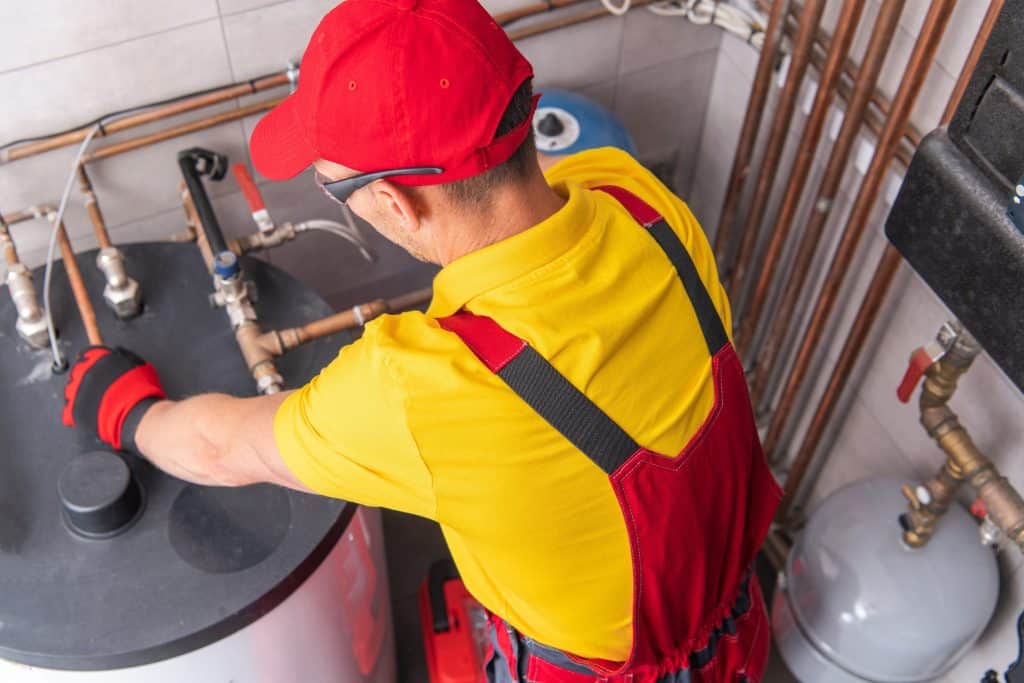
Every homeowner should know where their main water shut-off valve is located before an emergency hits. Searching for it while water pours through your ceiling wastes precious time and increases damage.
Check these common locations in Massachusetts homes. In newer homes, look near the front of the house close to the street, often in a basement or crawl space. The valve typically sits on the main water line coming from your water meter. In older homes, especially in Plymouth, MA and Norfolk, MA where housing stock averages 40 years old, the valve might be in a different spot, sometimes in a metal box buried near your property line or tucked behind finished basement walls.
Once you find it, test it. Turn it a quarter turn to make sure it’s not stuck or corroded. A valve that hasn’t been touched in years can seize up, making it useless during an emergency. Mark the location clearly. Some homeowners put a bright label or tag on nearby pipes so anyone in the house can find it quickly.
If you have individual shut-off valves under sinks and behind toilets, learn where those are too. Shutting off water at the source of the problem means you can still use water in other parts of your house while you wait for plumbing repair. That makes a huge difference when you’re dealing with a kitchen sink leak but still need to shower or use the bathroom.
Take five minutes this week to walk through your home and locate every shut-off valve. Make a simple list and keep it somewhere accessible. When water is spraying everywhere and stress is high, you won’t have to think, you’ll just act.
Protecting Your Property From Water Damage While You Wait for the Plumber
After you’ve stopped the water flow, your next priority is damage control. Standing water spreads fast and causes more problems the longer it sits. Every minute counts.
Start by moving furniture, electronics, and anything valuable away from the wet area. Water ruins wood furniture, soaks into upholstery, and destroys electronics on contact. If you can safely lift rugs or remove items from cabinets in the affected area, do it now. The less contact between water and your belongings, the less you’ll lose.
Grab every towel, old blanket, and mop you have and start soaking up water. Focus on stopping the spread first, then work on the puddles. If you have a wet vacuum, use it. Regular vacuums can’t handle water and will break if you try. Push water toward drains if you have them nearby, or use buckets to collect and dump water outside.
Open windows and doors even in cold weather. Air circulation helps the area dry faster and prevents mold from taking hold. If it’s winter and you’re worried about pipes freezing from open windows, focus airflow on the wet area only and close doors to other rooms to keep the rest of your house warm. Turn on fans if you have them. Point them at wet spots on walls, floors, and baseboards.
If water has soaked into drywall or gotten behind baseboards, you’re likely looking at repairs beyond surface cleanup. Water trapped inside walls creates the perfect environment for mold growth. Take photos of everything: the burst pipe, the water damage, wet belongings, and any visible mold or stains. These photos matter for insurance claims and help your plumber assess the full scope of damage when they arrive.
Don’t try to fix the burst pipe yourself unless you have plumbing experience and the right materials. Temporary patches rarely hold, and a failed DIY repair can cause a second flood. Your job right now is containment and damage control. Leave the actual pipe repair to a licensed plumber with the tools and expertise to do it right the first time.
Overflowing Toilets and Sewer Backups
An overflowing toilet creates an immediate mess and a potential health hazard. When wastewater backs up and spills onto your bathroom floor, you’re dealing with contamination that needs fast action.
The first thing to do is stop the overflow. Reach behind the toilet near the floor and turn the shut-off valve clockwise. Every toilet has one. It’s usually a small oval or football-shaped handle on the water supply line. Turning it off stops fresh water from entering the tank and prevents more overflow.
If the water keeps rising even after you’ve shut off the valve, you might have a deeper clog in your main sewer line. When multiple drains back up at once, when toilets bubble when you run the sink, or when you smell sewage coming from drains, you’re looking at a sewer line problem, not just a clogged toilet. This is a bigger emergency that needs an emergency plumber immediately.
What Causes Toilet Overflows and Sewer Line Clogs
Toilet clogs usually come from too much toilet paper, items that shouldn’t be flushed like wipes or hygiene products, or objects that accidentally fall in. Even “flushable” wipes don’t break down like toilet paper and commonly cause blockages deeper in your pipes.
A plunger works for simple clogs near the toilet bowl. Make sure you’re using a toilet plunger, which has a flange that creates a better seal, not a sink plunger. Place it over the drain hole, push down gently to create suction, then pull up sharply. Repeat several times. If the water level starts dropping, you’re making progress.
But if plunging doesn’t work after several attempts, stop. Continuing to flush or plunge can make the backup worse, especially if the clog is further down the line. You could end up with water overflowing into other areas or pushing the blockage deeper where it’s harder to reach.
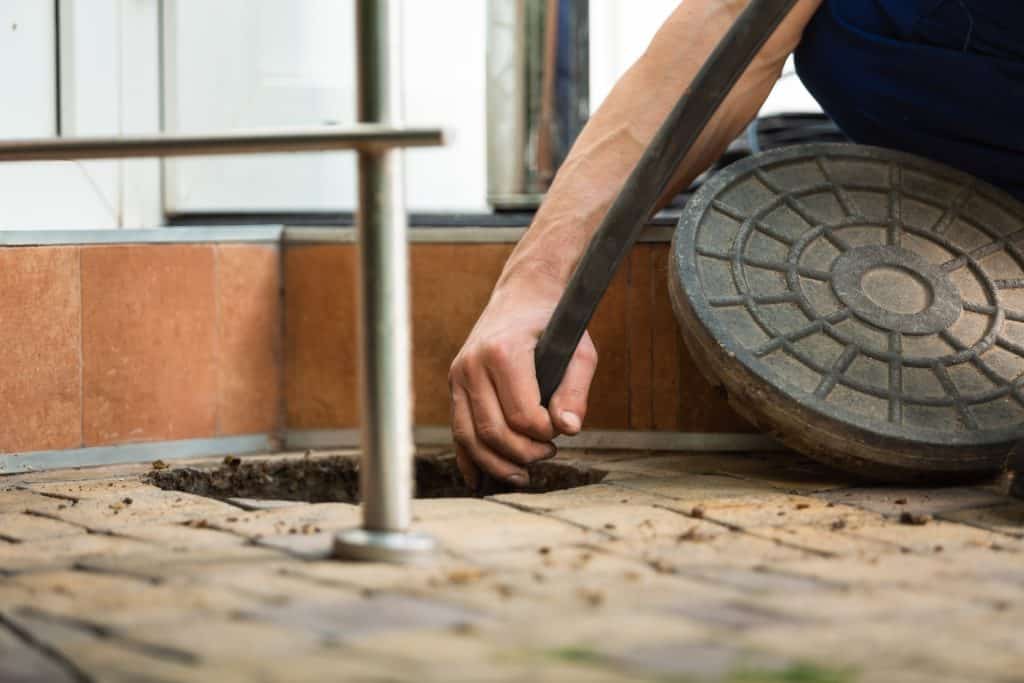
Sewer backups are more serious. They happen when your main sewer line gets blocked by tree roots, collapsed pipes, or severe buildup. In older Massachusetts homes with aging plumbing systems, tree roots are a common culprit. Roots grow into tiny cracks in sewer pipes searching for water, then expand and create major blockages.
Signs of a sewer line problem include multiple slow drains throughout your house, gurgling sounds from toilets or drains, sewage odors even when drains aren’t in use, and water backing up in your basement floor drain or bathtub when you flush a toilet. If you notice any of these, you’re dealing with more than a simple clog.
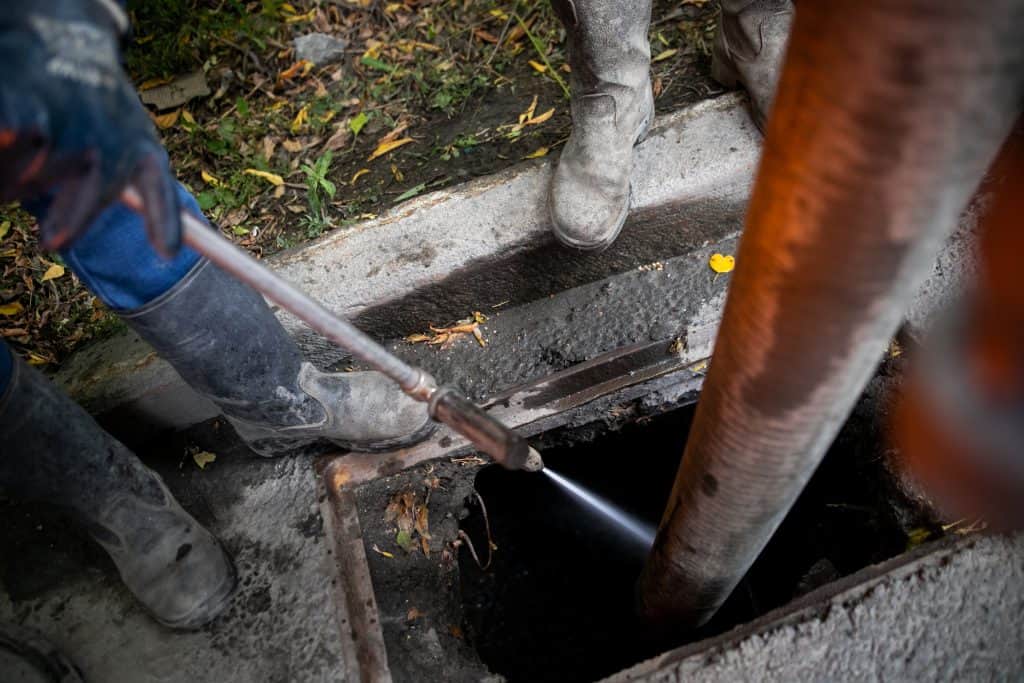
Sewer backups require professional equipment like motorized drain snakes or hydro jetting to clear. These aren’t DIY fixes. The longer you wait, the worse it gets. Sewage backing into your home creates health risks and can contaminate everything it touches. Call for emergency plumbing services immediately, and avoid using any plumbing in your house until help arrives and clears the line.
Cleaning Up Safely After a Toilet Overflow or Sewer Backup
Wastewater contains bacteria and pathogens that make it unsafe to handle without protection. Don’t touch contaminated water or surfaces with bare hands. Put on rubber gloves before you start cleaning, and wear old clothes you don’t mind throwing away if they get soaked.
Start by soaking up standing water with old towels or rags that you’ll discard afterward. Don’t use your good bath towels. If you have a wet vacuum, it can speed up the process, but make sure to disinfect it thoroughly afterward. Bag all contaminated materials in heavy-duty trash bags and seal them before disposal.
Once you’ve removed the standing water, disinfect every surface the wastewater touched. Use an EPA-registered disinfectant or a bleach solution: one cup of bleach per gallon of water. Spray or wipe down floors, baseboards, toilet surfaces, and any items that got splashed. Let the disinfectant sit for at least 10 minutes before wiping it away. This contact time kills bacteria and viruses.
If water soaked into flooring, especially carpet or wood, you might be looking at replacement rather than cleaning. Porous materials absorb wastewater and are nearly impossible to fully sanitize. When in doubt, remove and replace rather than risk ongoing contamination and odor problems.
Ventilate the area well. Open windows, run bathroom fans, and use portable fans to keep air moving. This helps everything dry faster and reduces odors. If the overflow was significant or if water got into walls or under flooring, consider calling a water damage restoration company in addition to your plumbing contractor. They have industrial equipment to dry out hidden moisture that can lead to mold growth.
Watch for signs of mold in the days and weeks after a backup. Musty smells, discolored patches on walls or ceilings, and respiratory symptoms can all indicate mold growth from moisture that didn’t fully dry. Address it immediately if you spot it. Mold spreads quickly and becomes a bigger health and structural problem the longer it goes untreated.
When to Call an Emergency Plumber in Plymouth, Norfolk, Bristol, or Middlesex County
Some plumbing problems can wait until morning. A slow drip from a faucet or a toilet that runs occasionally aren’t true emergencies. But burst pipes, sewer backups, gas leaks, major leaks near electrical systems, complete loss of water, and overflowing toilets that won’t stop all require immediate professional help.
The steps in this guide buy you time and minimize damage, but they’re not permanent fixes. You still need a licensed plumber to properly repair the problem and make sure it doesn’t happen again. Temporary solutions like shutting off water or containing leaks keep the situation from getting worse while you wait for help to arrive.
When you’re facing a plumbing emergency in Plymouth, MA, Norfolk, MA, Bristol County, or Middlesex County, we offer 24/7 emergency response with upfront pricing and experienced plumbers who understand the unique challenges of Massachusetts homes. We’ve been serving the area since 2007 and back all our work with a 1-year labor warranty, so you know the repair will last.