
Summary:
Multiple Drains Backing Up at the Same Time
When one drain clogs, it’s usually a localized problem. But when multiple fixtures start backing up simultaneously, you’re dealing with something much more serious.
This is your main sewer line waving a red flag. Unlike individual drain clogs that affect just one fixture, main line blockages create a domino effect throughout your entire plumbing system. You might notice your kitchen sink backing up while the bathroom tub drains slowly, or water appearing in your basement floor drain when you flush the toilet.
The reason this happens is simple physics. When your main sewer line gets blocked, wastewater has nowhere to go except back up through the lowest available opening in your home. This creates the multi-drain backup scenario that catches most homeowners off guard.
Why Traditional Drain Cleaning Won't Fix This Problem
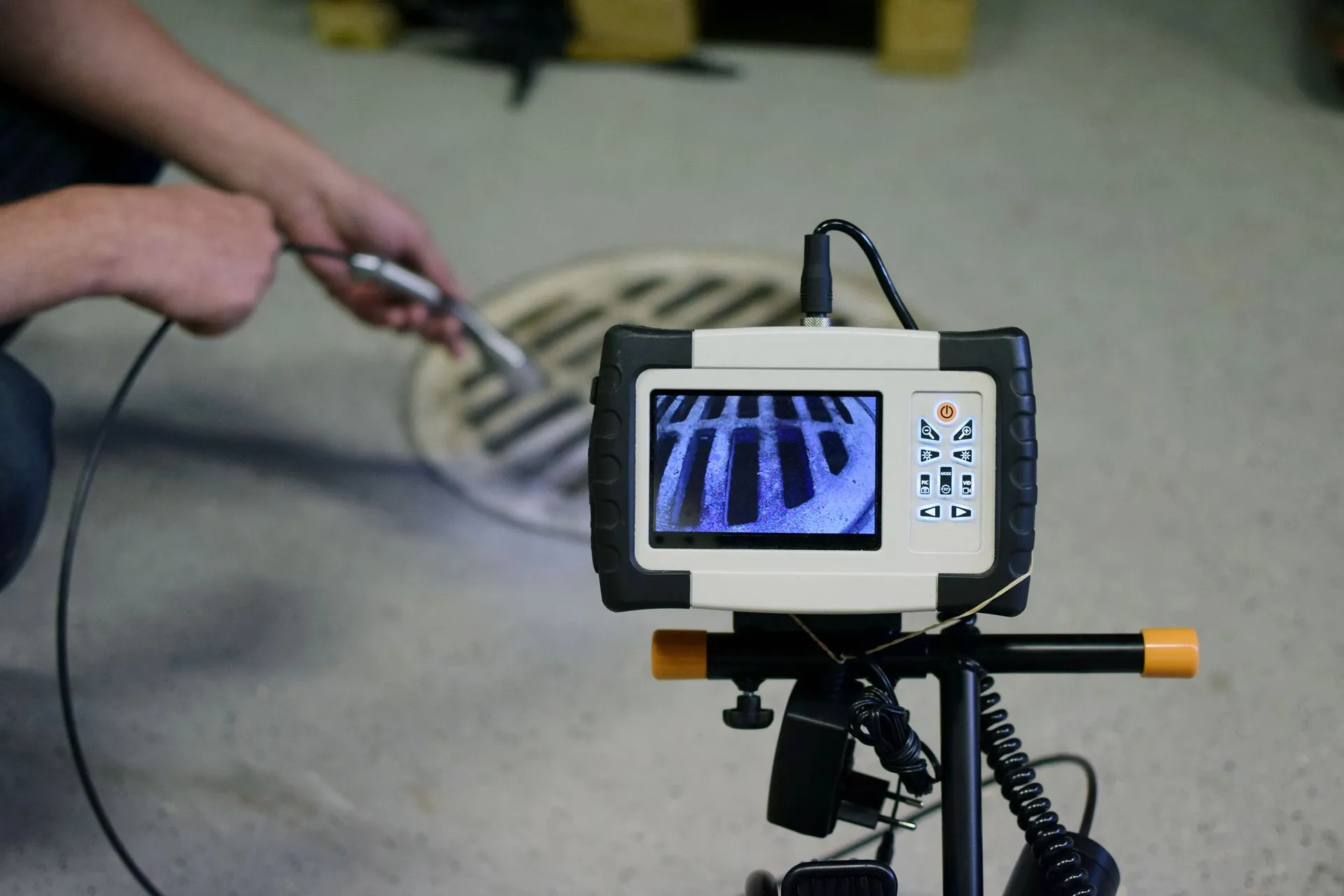
Here’s where many homeowners make a costly mistake. They call a plumber to snake individual drains, thinking they’re solving the problem. But snaking only pokes a small hole through the blockage – it doesn’t remove the buildup that’s causing the issue in the first place.
Think of it this way: if you have a garden hose that’s clogged with mud, poking a wire through it might restore some flow, but the mud is still coating the inside walls. The next time debris flows through, it’s going to stick to that existing buildup and create an even bigger blockage.
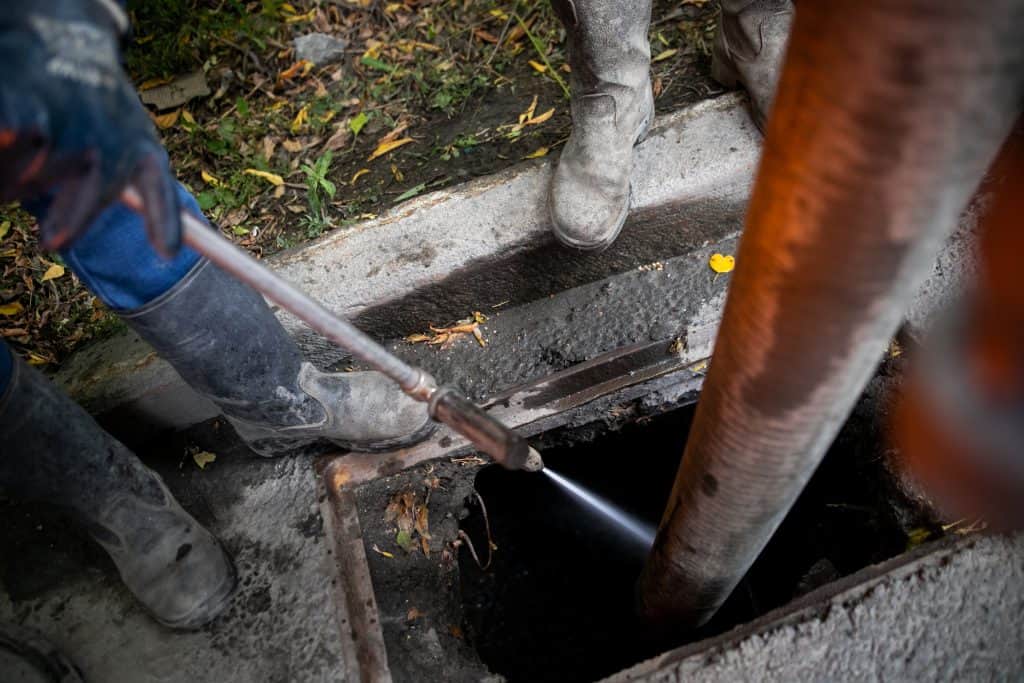
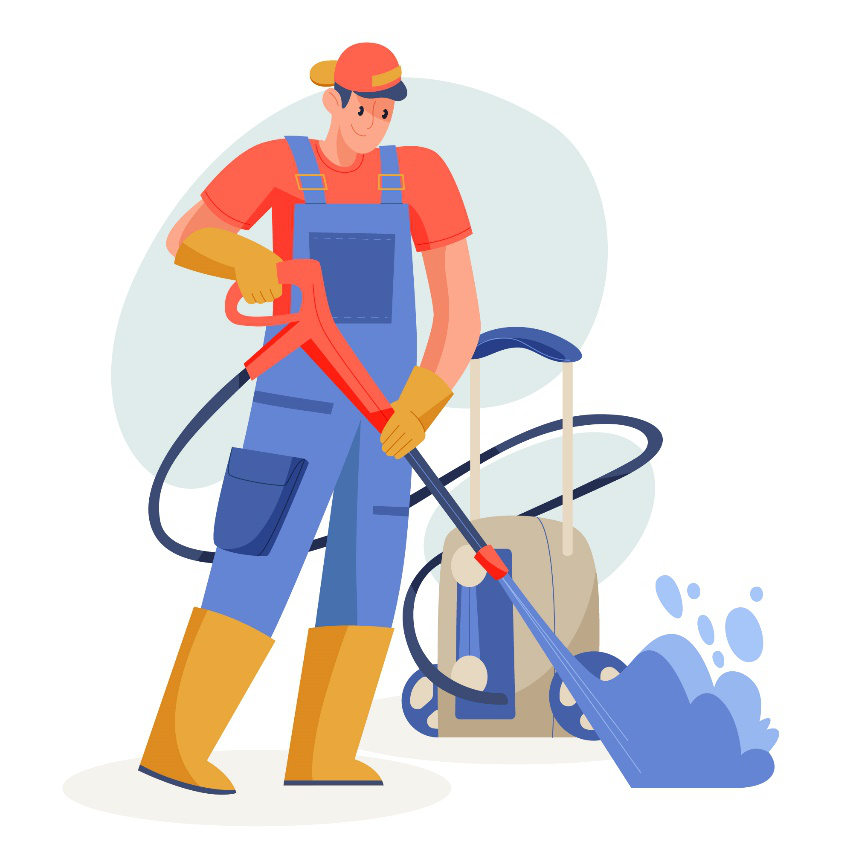
Professional hydro jetting, on the other hand, uses high-pressure water streams to completely scour the inside walls of your pipes. This removes not just the immediate blockage, but also the grease, soap scum, and debris that’s been accumulating over time. It’s the difference between a temporary fix and a long-term solution.
Massachusetts homeowners dealing with older clay or cast iron sewer lines are especially prone to this type of buildup. These materials become rougher over time, giving debris more surfaces to cling to. Hydro jetting smooths these surfaces and removes years of accumulated gunk, often restoring flow to like-new conditions.
The process is also environmentally friendly, using only water instead of harsh chemicals that can damage your pipes or harm the environment. For homeowners in Plymouth, Norfolk, Bristol, and Middlesex counties, this makes hydro jetting an ideal solution for both effectiveness and environmental responsibility.
Gurgling Sounds Coming from Multiple Fixtures
That strange gurgling sound coming from your drains isn’t just annoying – it’s your plumbing system’s way of telling you there’s a serious blockage developing in your main sewer line.
When water tries to flow through a partially blocked pipe, it creates air bubbles and turbulence. This turbulence is what causes the gurgling sound you hear. If you’re only hearing it from one fixture, the blockage is probably localized to that drain. But when multiple fixtures start gurgling, especially when you use one and hear sounds from another, your main line is struggling.
The gurgling often gets worse when you use high-volume fixtures like washing machines or dishwashers. These appliances send large amounts of water into your sewer system all at once, overwhelming a partially blocked main line. You might notice the toilet gurgling when the washing machine drains, or strange sounds from the basement floor drain when you take a shower.
This is particularly common in Massachusetts homes built before the 1980s, where original sewer lines may be made from clay or cast iron. These materials are more susceptible to root intrusion and internal corrosion, both of which create the perfect conditions for partial blockages that cause gurgling sounds.
Don’t ignore these sounds, hoping they’ll go away on their own. Gurgling is often the first sign of a developing main line blockage, and addressing it with professional hydro jetting now can prevent a complete backup later. The high-pressure water used in hydro jetting can clear tree roots, dissolve grease buildup, and remove the debris that’s causing the turbulence in your pipes.
Many homeowners in the Plymouth area have learned this lesson the hard way, waiting until gurgling sounds turn into complete backups before calling for help. By then, they’re dealing with sewage in their basement and emergency repair costs that could have been avoided with proactive hydro jetting.
Slow Draining Throughout Your Home Gets Progressively Worse
When multiple drains in your home start draining slower than usual, and the problem keeps getting worse over time, your main sewer line is telling you it needs professional attention.
This gradual slowdown happens because blockages in your main line don’t usually occur overnight. Instead, debris, grease, and other materials slowly accumulate on the pipe walls, gradually reducing the effective diameter of your sewer line. As this buildup gets thicker, water flow becomes more restricted, leading to the slow drainage you’re experiencing throughout your home.
The progressive nature of this problem is what makes it so dangerous. Most homeowners adapt to slightly slower drains, thinking it’s just a minor inconvenience. But this gradual worsening is actually your sewer line’s early warning system, giving you time to address the issue before it becomes a complete blockage.
Tree Root Intrusion: Massachusetts Homeowners' Hidden Enemy
Tree roots are one of the most common causes of main sewer line problems in Massachusetts, especially for homes with mature landscaping. Roots naturally seek out water sources, and your sewer line provides a steady supply of moisture and nutrients that trees find irresistible.
The problem starts small. Tiny root fibers find their way into microscopic cracks or loose joints in your sewer line. Once inside, they grow rapidly, fed by the constant supply of water and organic matter flowing through your pipes. As these roots expand, they create increasingly larger blockages while also damaging the pipe structure itself.
Massachusetts clay sewer lines, common in homes built before the 1970s, are particularly vulnerable to root intrusion. The joints between clay pipe sections can shift over time, creating gaps that roots can easily penetrate. Once roots establish themselves, they act like a net, catching toilet paper, grease, and other debris that would normally flow through your system.
Traditional drain snaking often provides only temporary relief from root blockages. The snake might cut through some of the roots, but it leaves the root structure intact. Within months, the roots grow back stronger than before, often creating an even worse blockage.
Professional hydro jetting offers a more effective solution for root intrusion. The high-pressure water stream can cut through root masses and flush them completely out of your system. While hydro jetting won’t prevent roots from eventually growing back, it typically provides 2-3 years of clear drainage, compared to the 3-6 months you might get from snaking.
For Massachusetts homeowners dealing with recurring root problems, regular preventive hydro jetting every 18-24 months can keep your main line flowing freely while avoiding the expense and disruption of emergency repairs.
Foul Odors That Won't Go Away Despite Cleaning
When you notice persistent sewer odors coming from your drains, especially odors that don’t improve with regular cleaning, your main sewer line is likely harboring serious blockages that need professional hydro jetting.
These odors develop when organic matter gets trapped in your sewer line and begins to decompose. Unlike temporary odors that might come from a single drain, main line odors tend to be more persistent and may seem to move around your house. You might smell them in the basement one day and near the kitchen sink the next.
The smell often gets worse during humid weather or when you use large amounts of water. This happens because partial blockages in your main line create stagnant areas where waste sits and ferments instead of flowing freely to the municipal sewer system. When new wastewater enters the system, it disturbs these stagnant areas, releasing concentrated odors throughout your home.
Massachusetts homeowners often notice these odors are strongest in the lowest level of their home, since sewer gases naturally sink. Basements, ground-level bathrooms, and utility rooms are common areas where main line odors first become apparent.
Professional hydro jetting addresses the root cause of these odors by completely removing the organic buildup where bacteria thrive. The high-pressure water scours the pipe walls clean, eliminating the debris and biofilm that create these unpleasant smells. Unlike chemical drain cleaners, which might temporarily mask odors, hydro jetting provides a long-term solution by removing the source of the problem.
Don’t ignore persistent sewer odors, hoping they’ll resolve on their own. These smells often indicate that your main line blockage is becoming severe, and waiting too long could result in a complete backup that brings sewage into your living space.
When to Call Emma Plumbing for Professional Hydro Jetting
Recognizing these seven warning signs gives you the power to address main sewer line problems before they become plumbing emergencies. Multiple drain backups, persistent gurgling sounds, progressively slower drainage, and stubborn odors are all your sewer line’s way of asking for help.
The key is acting quickly when you notice these signs. Professional hydro jetting can restore your main line to like-new condition, often providing years of trouble-free drainage. It’s an investment that pays for itself by preventing costly emergency repairs and protecting your property from sewage damage.
We specialize in professional hydro jetting throughout Plymouth, Norfolk, Bristol, and Middlesex counties in Massachusetts. With upfront pricing, experienced technicians, and a commitment to solving your plumbing problems the right way the first time, we’re ready to help you maintain a healthy, functioning sewer system for years to come.